SMBC Singapore Open to return in 2022
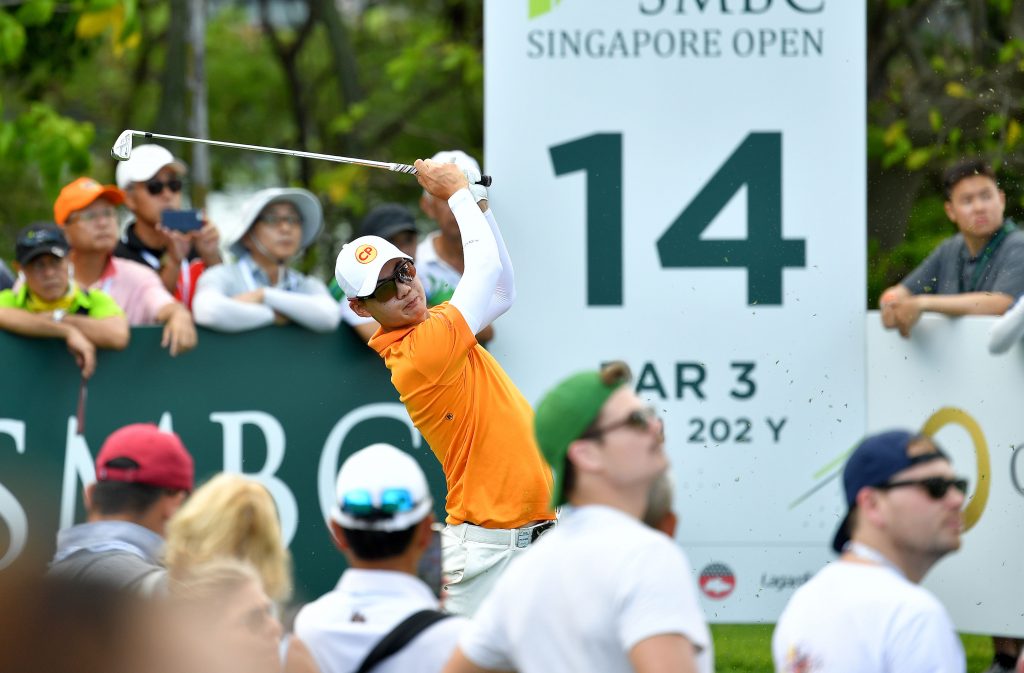
Organisers of the SMBC Singapore Open announced today that the next edition of the tournament will take place in January 2022. The US$1 million event, jointly sanctioned by the Asian Tour and Japan Golf Tour Organisation, has been traditionally held each January on the Serapong Course at Sentosa Golf Club.
“While it is truly a shame that the tournament won’t be held this year, we have been involved in the discussions throughout the planning process and are fully supportive of the difficult decision that has been made by Sportfive. We shall all look forward to the return of the SMBC Singapore Open in 2022,” said Ross Tan, President of the Singapore Golf Association.
“The SMBC Singapore Open is one of Asia’s iconic events and a highlight on the golf calendar. We worked tirelessly with all the various authorities and stakeholders to see how best to deliver a safe and significant tournament for the players and partners. All parties especially SMBC, Singapore Tourism Board and Sentosa Golf Club were extremely supportive of the various operational options that were formulated.” said Patrick Feizal Joyce, Senior Vice President, Golf – APAC, Sportfive.
“Ultimately public health and safety remain the highest priority for us and due to the evolving nature of the COVID19 situation around the world, we felt it would be prudent for us to stay patient and work towards holding the next edition in 2022,” added Joyce.
The 2020 edition of the SMBC Singapore Open took place from January 16-19 on the Serapong Course at Sentosa Golf Club. Matt Kuchar, the bronze medallist from the Rio 2016 Olympic Games, pulled off a stunning comeback in the final round to win the US$1 million tournament with an 18-under par total, turning the tables on gold medallist Justin Rose who finished second, three shots back at 15-under par.
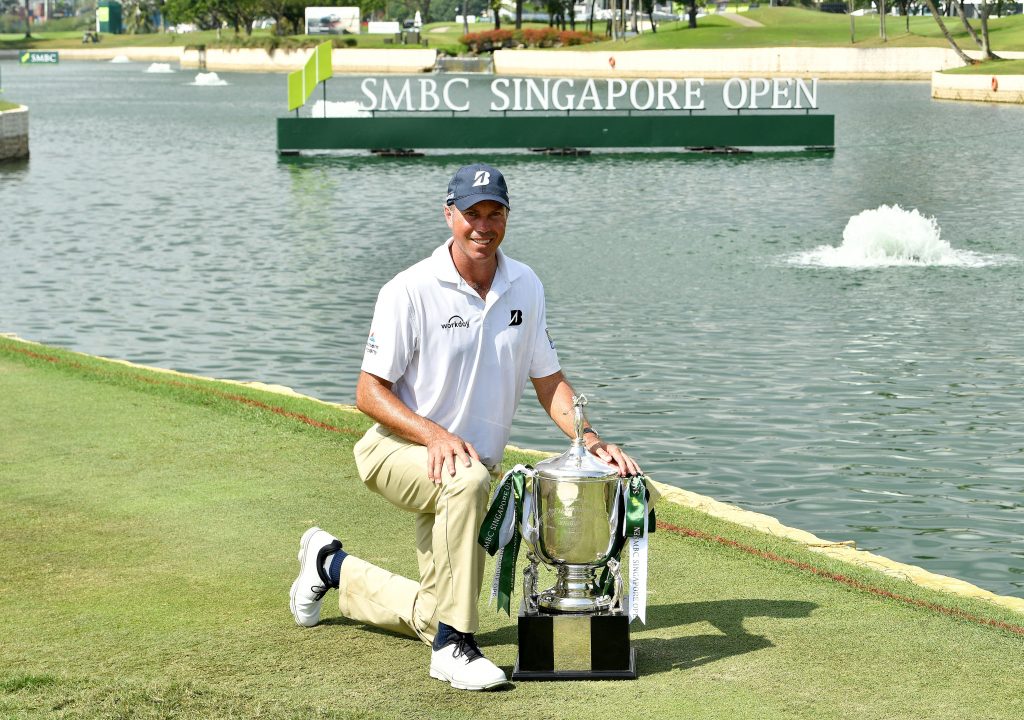
SINGAPORE-Matt Kucahr of the USA pictured Sunday January 19,2020, during the final round of the SMBC Singapore Open at the Sentosa Golf Club, Singapore. The USD$ 1 million event is co- sanctioned with the Asian Tour and Japan Tour, January 16-19, 2020. Picture by Paul Lakatos/Lagardére Sports.
Ends.
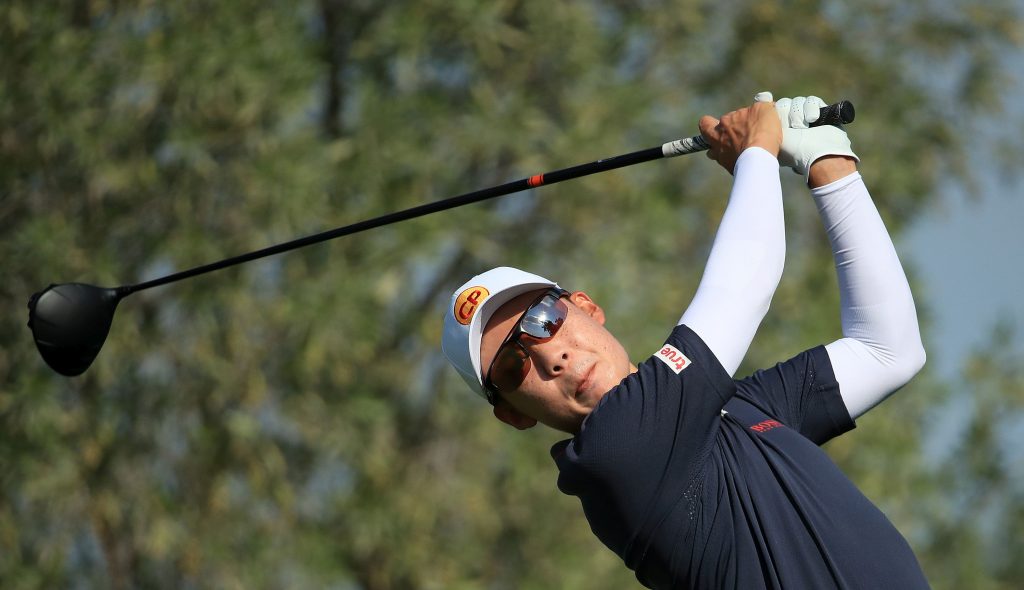
Thailand’s Jazz Janewattananond, the reigning Asian Tour Order of Merit champion, and American John Catlin, a double winner in Europe last year, are among a strong contingent of Asian Tour members competing in this week’s Abu Dhabi HSBC Championship ― the opening event of the season on the European Tour.
They are joined by Thailand’s Thongchai Jaidee and Kiradech Aphibarnrat, Australians Wade Ormsby and Scott Hend, India’s Shubhankar Sharma and Gaganjeet Bhullar, American Kurt Kitayama and South African Justin Harding.
The US$8 million event is being played at Abu Dhabi Golf Club and is a Rolex Series event. The tournament is also the start of the Tour’s “Desert Swing” with events to follow in Dubai and Saudi Arabia.
Despite a growing resume, Jazz ― who has claimed six victories on the Asian Tour ― has yet to win a European Tour title.
He spent much of last year competing on the PGA Tour, where he made a fine debut in The Master, finishing in a tie for 51st place.
Catlin, on the other hand, broke through in Europe in 2020, winning his first European Tour title at the Estrella Damm N.A. Andalucía Masters in September before triumphing in the Dubai Duty Free Irish Open, a few weeks later. The American’s skill set had been honed on the Asian Tour, where he won four titles and two Asian Development Tour trophies.
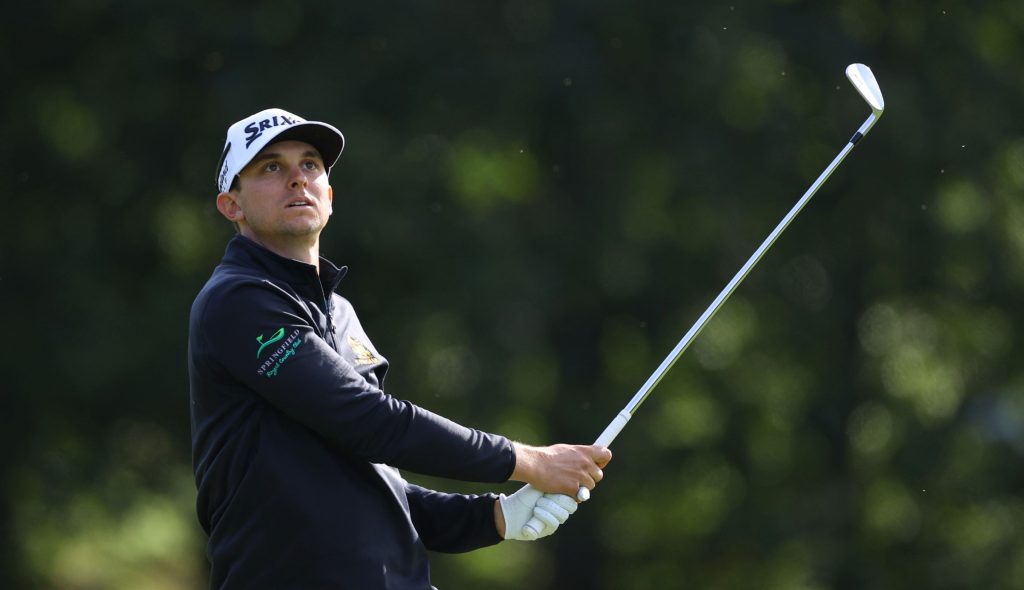
(Photo by Richard Heathcote/Getty Images)
Between them, the Asian Tour members, teeing off on Thursday, boast 25 European Tour titles: Thongchai has eight, Kiradech four, Hend three, and Kitayama, Ormsby and Sharma two each. Both Bhullar and Harding have claimed one apiece.
Ormsby currently leads the Asian Tour Order of Merit, thanks to his win in the Hong Kong Open last January. But the season was cut short quickly after that, with only four events played, due to the coronas virus pandemic.
England’s Lee Westwood is the defending champion this week. His success last year marked the start of a brilliant year that saw him crowned the Race to Dubai winner in December.
“I’ve always played pretty well in this part of the world,” said Westwood, an eight-time winner on the Asian Tour.
“And, you know, my two best results for the last year were Abu Dhabi and Dubai, the very beginning to the very end of the year. So I’ll be hoping for that again this year.”
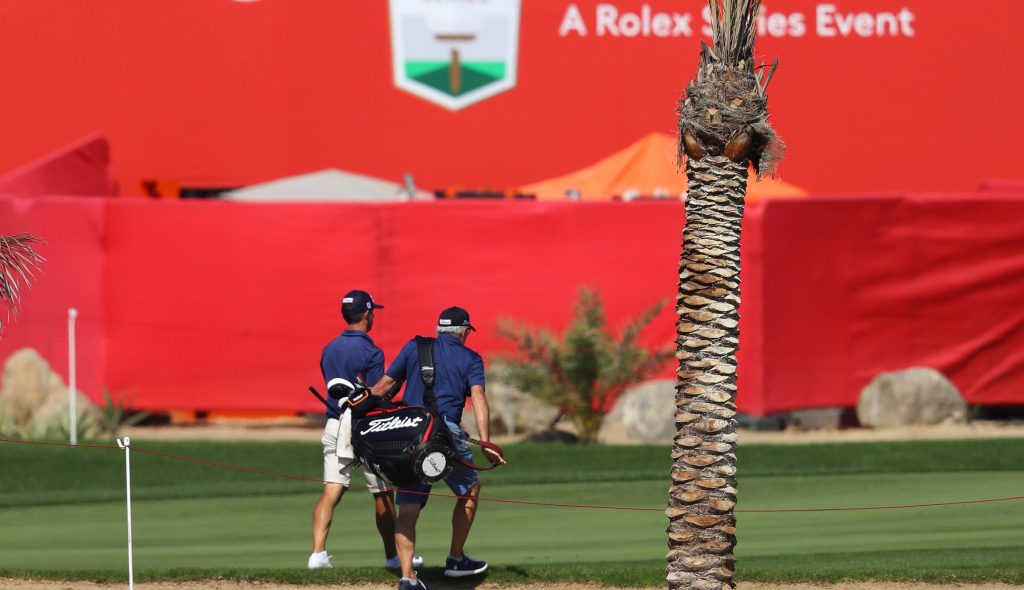
ABU DHABI, UNITED ARAB EMIRATES – JANUARY 19: Wade Ormsby of Australia walks on the course during practice ahead of the Abu Dhabi HSBC Championship at Abu Dhabi Golf Club on January 19, 2021 in Abu Dhabi, United Arab Emirates. (Photo by Warren Little/Getty Images)
A star-studded field is competing this week, including England’s Tommy Fleetwood ― the champion in 2017 and 2018.
Also playing are Germany’s Martin Kaymer, who is the only three-time winner of the event ― he triumphed in 2008, 2010 and 2011. He is one of nine Major champions in the field, alongside Northern Ireland’s Rory McIlroy and Graeme McDowell, American Justin Thomas, Irishmen Padraig Harrington ― the European Ryder Cup Captain ― and Shane Lowry, England’s Justin Rose and Danny Willet, and Swede Henrik Stenson, Danny Willett.
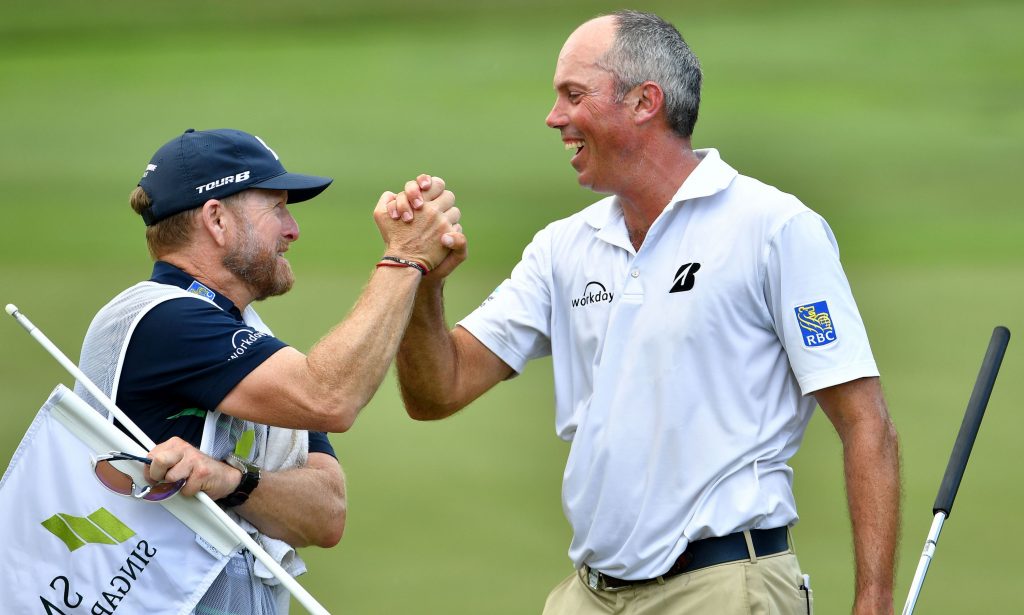
American Matt Kuchar was one of the marquee players at the SMBC Singapore Open last year, along with England’s Justin Rose and Henrik Stenson from Sweden. Having won bronze at the 2016 Olympics in Rio, behind gold medalist Rose, and silver-medal recipient Stenson, he arrived, somewhat, in their shadow. However, he proceeded to put the record straight in Singapore, by conquering the mighty Serapong course and departing like a gold medal champion. We look back at what was an epic edition of the prestigious tournament ― the final round of which was played on this day, a year ago.
Much was made of Matt Kuchar’s brave recovery from a triple-bogey eight on the seventh hole on The Serapong at Sentosa Golf Club to win the SMBC Singapore Open last year.
With England’s Justin Rose and two of Asia’s most exciting young golfers, Jazz Janewattananond from Thailand and Korean Joohyung Kim, hot on his heels the tall American shifted gear and toured the back nine in three under to triumph.
Picture by Paul Lakatos/Lagardére Sports.
But, in retrospect, there were a number of decisive moments during his march to victory ― not least an astonishing nine-under-par 62 on Saturday and a truly brave birdie on the 72nd hole, where calamity could have so easily intervened.
Kuchar, or “Kooch” as he is popularly known, was playing in Singapore for the first time and had been dialed-in all week. He fired a 66 on the first day to sit one back from the leader, Japan’s Kosuke Hamamoto.
He trailed Jazz ― an expert in this event having won it in 2019 and finished joint fourth in 2018 ― by two at the halfway mark, after shooting a 68.
And that sensational 62 on day three saw him open up a three-shot advantage from Jazz and Filipino Miguel Tabuena.
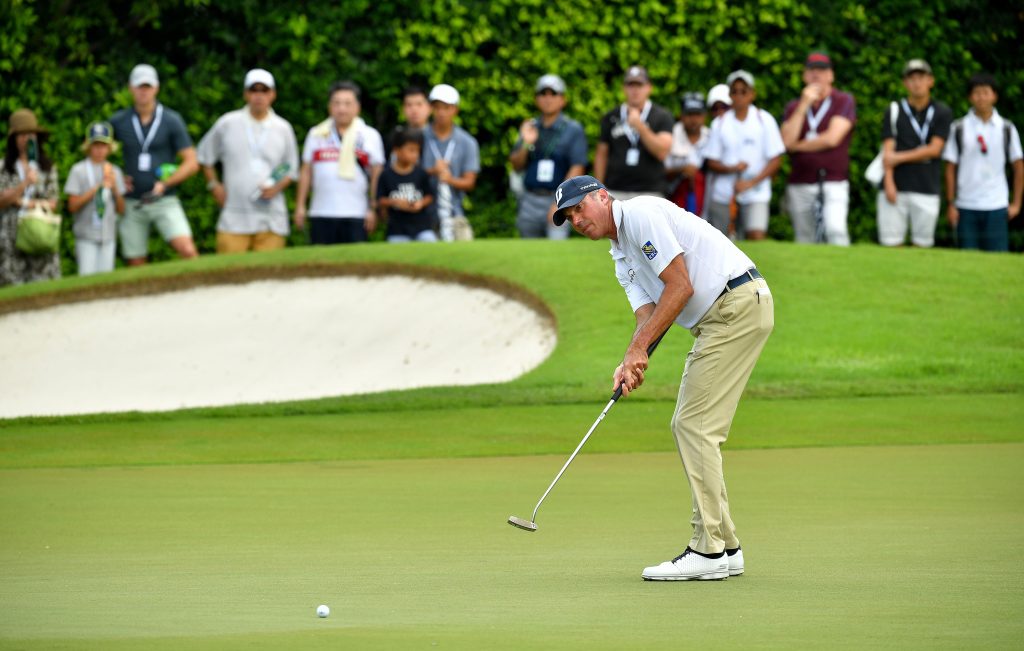
Picture by Paul Lakatos/Lagardére Sports.
The 62, was the work of a master practitioner, and was the lowest round since the Singapore Open moved to its permanent home at Sentosa Golf Club in 2005, with just three players having shot 63: Angel Cabrera of Argentina, the 2007 champion, South Africa’s George Coetzee and Song Younghan of Korea, who won in 2016.
Kuchar disarmed the Serapong with long, accurate driving, pinpoint approach shots and heat-seeking putts. Employing his trademark arm-lock putting style that he has used effectively since 2011, Kuchar needed just 25 putts in his eye-popping round that thrilled the large galleries who sent howls of approval around Sentosa.
The then 41 year old set up his birdie opportunities, the majority of them from close range, by hitting 11 out of 14 fairways with an average driving distance of 310 yards and finding 15 out of the 18 greens in regulation.
Picture by Paul Lakatos/Lagardére Sports.
He birdied the first, second, fourth, seventh, 10th, 14th, 15th, 17th and 18th in a round that will live long in the memory for those lucky enough to have witnessed it live.
On the final day, when Kuchar ― ranked world number 24 at the time ― birdied the par-five fourth to stay comfortably out in front, victory almost seemed a mere formality for the American.
But, from nowhere, a nightmare hole seven opened the door to his rivals.
He pulled his tee shot left into the trees and from there he had a bizarre air shot when trying to extricate his ball from the roots of a tree. After getting his ball back into the fairway, at the second attempt, he then lost a ball after hooking his approach into the undergrowth to the left of the green.
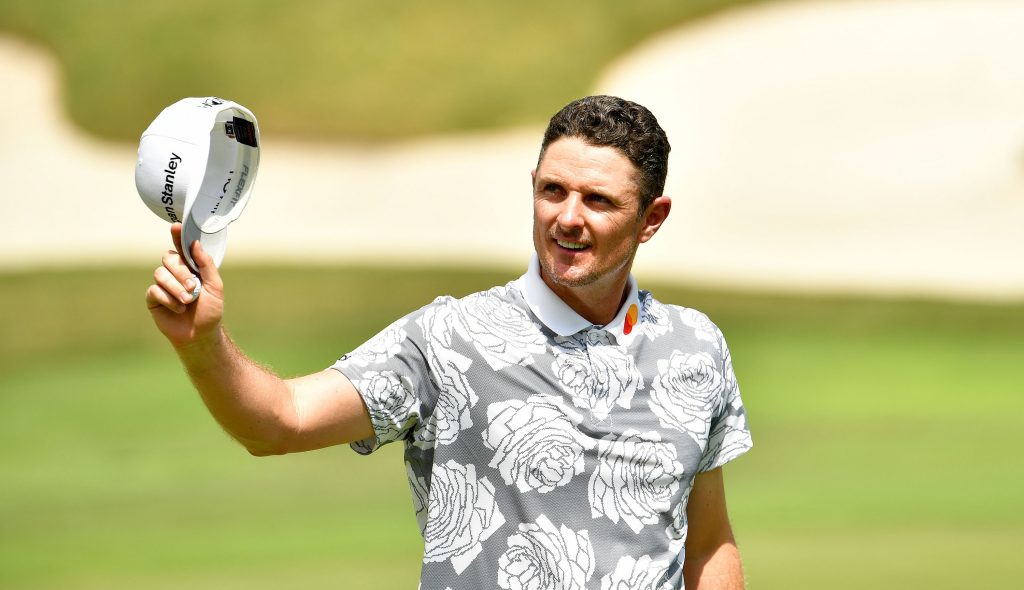
Picture by Paul Lakatos/Lagardére Sports.
His sixth shot found the green but he then faced an 80-foot putt and the strong possibility of a three putt. However, he drained his second putt, from 10 feet, for a triple, which saw him fall back into a tie with playing partner Jazz.
That setback would have been the beginning of the end for many but, clearly, eight was enough for Kuchar, as he responded magnificently to the challenge.
He did not drop a shot thereafter and birdied 11 and 16 to regain control and had a two-shot lead from Rose, playing in the group ahead, on the par-five 18th.
Trying to make sure he stayed clear of the lake on the left, he pushed his tee into a trap on the right, where he was fortunate the ball did not plug.
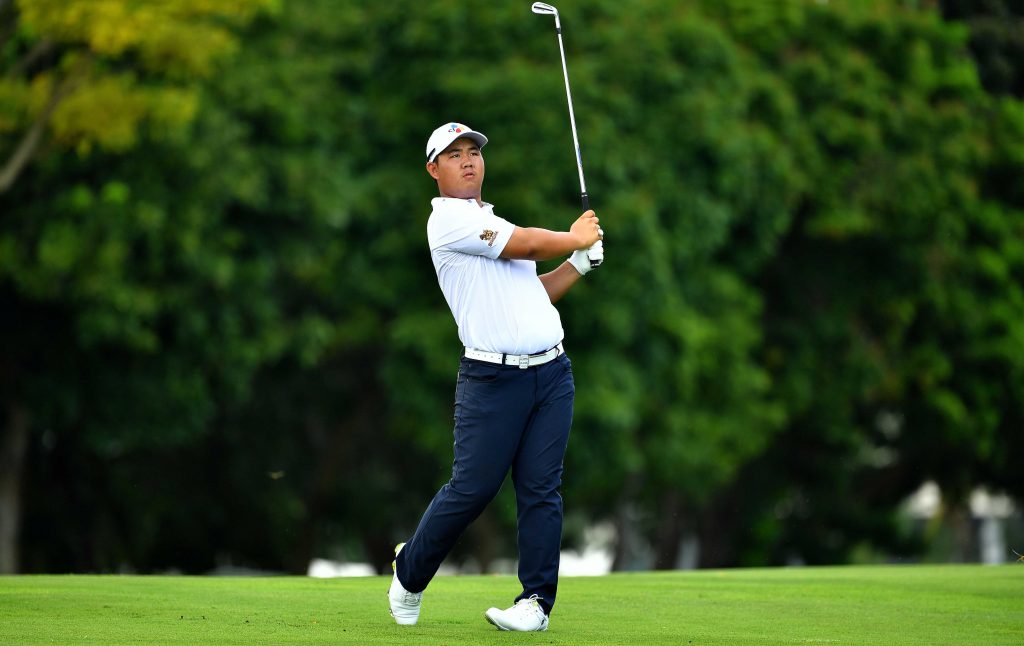
Picture by Paul Lakatos/Lagardére Sports.
He was left with a tricky bunker shot and could only splash it out into the fairway.
The American was then left with a long-shot of 230 yards to the green ― a huge challenge in the circumstances.
Remarkably, he struck one of the finest shot of his career to 20 feet and promptly holed the birdie putt for a famous victory.
His final round 70 saw him finish with a four round aggregate of 18-under-par 266 ― for which he earned a winners’ cheque for US$180,000.
“Golf and life have a lot of similarities,” said Kuchar, in his post round interview.
“When you face difficult times, it’s how you persevere and overcome those things.
“To make a great turnaround and play a great back nine to close out the tournament with birdies on the 16th and 18th was a real thrill. I’m awfully proud of being able to bounce back from adversity and not let hard things get the better of me.
Seven was a disastrous hole to make triple bogey there. I felt like I was cruising along and had a four-shot lead at that point and it was awfully comfortable.”
It was the 17th win of his career and first on the Asian Tour and Japan Golf Tour Organization.
Rose, helped by a brilliant back nine of four-under-par 31, finished three behind in second place after returning a 67.
Jazz took third spot thanks to a 71 while Kim, the 17-year-old wonder kid who had claimed his first title on the Asian Tour a few months earlier, ended in fourth place, after also signing for a 71 ― marking him down as a potential future champion of Singapore’s national Open.
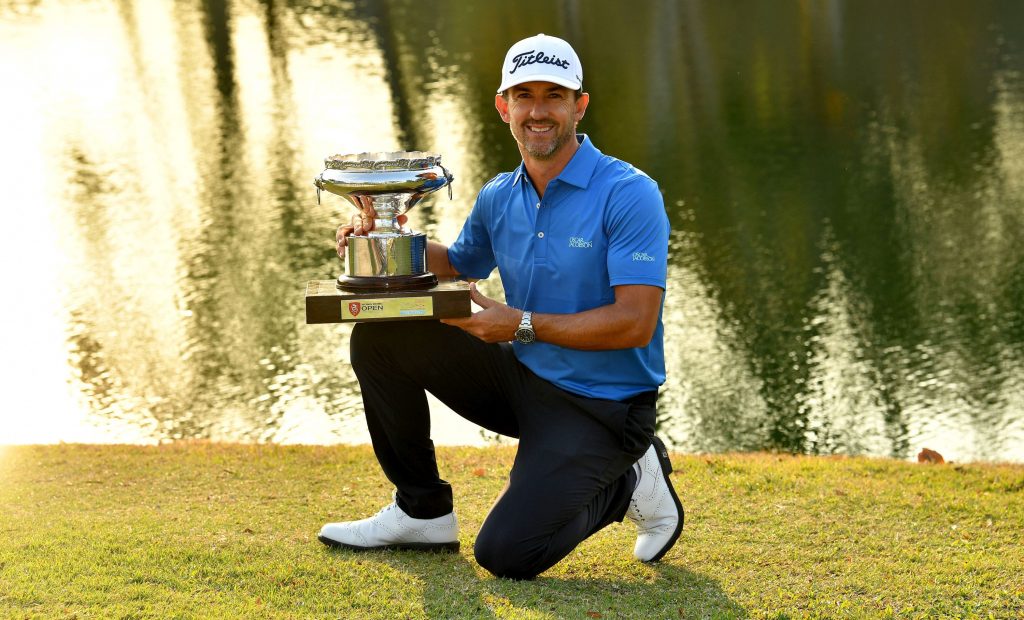
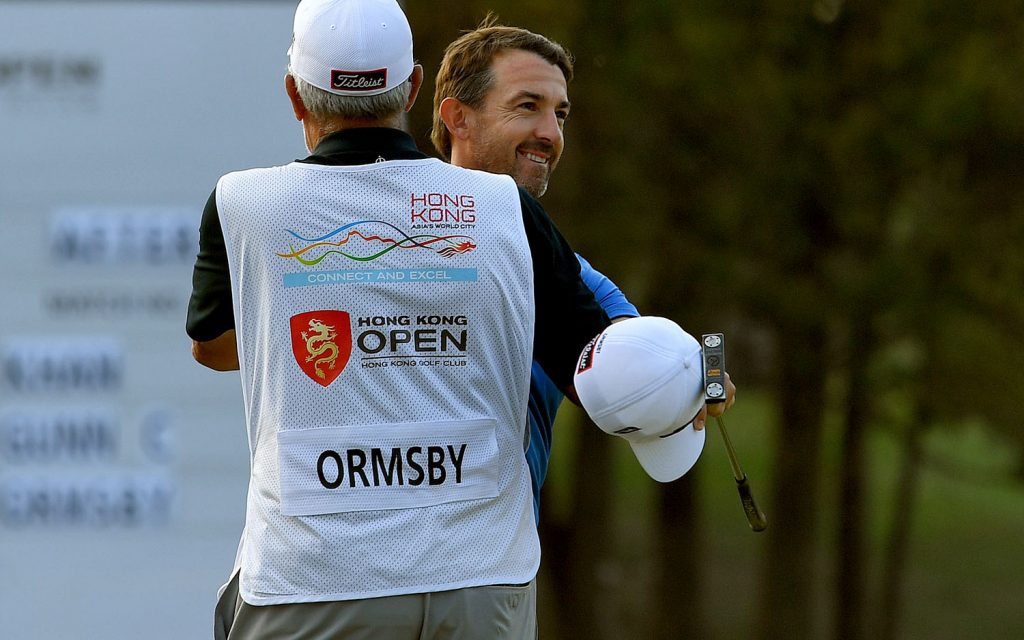
Wade Ormsby, understandably, says that after COVID-19 played havoc with last year, he almost forgot he actually won a tournament, the Hong Kong Open. But when we spoke to him, last week, about that dominant victory ― exactly a year ago today ― the memories quickly came flooding back.
To say Wade Ormsby was a driven man, seeking redemption, at last year’s Hong Kong Open at the Hong Kong Golf Club is probably an understatement.
There was real sense of commitment and purpose to his second victory in one of Asia’s blue-chip events and it all stemmed from bitter disappointment a few weeks earlier.
He had been in contention at the Australian PGA Championship at RAVC Royal Pines on the Gold Coast, but dropped shots over the inward stretch and watched his famous compatriot Adam Scott march to victory.
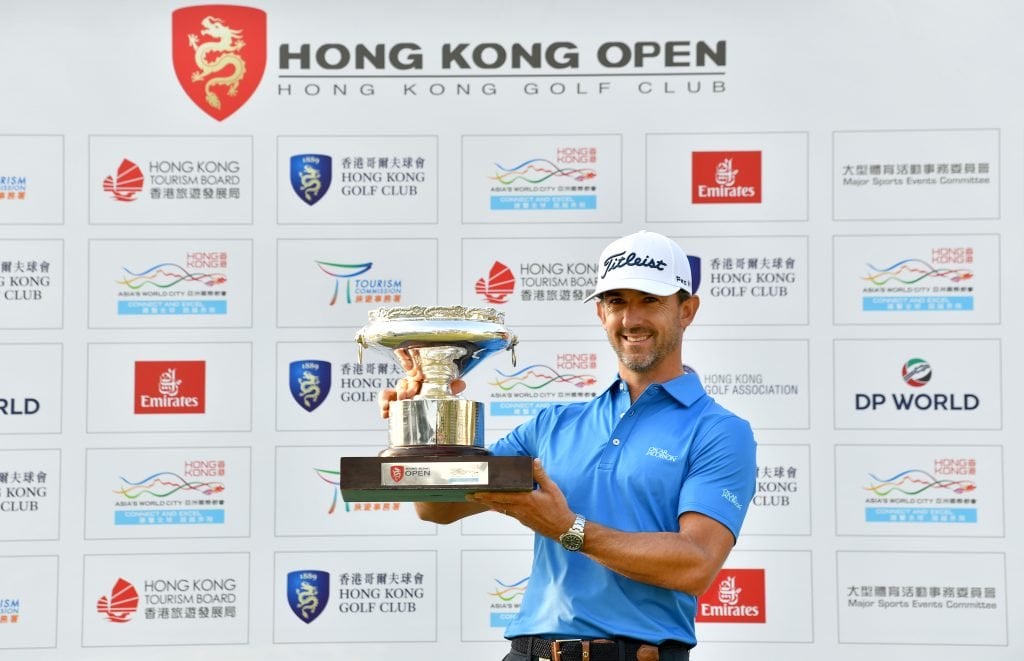
Wade Ormsby of Australia
“I gave myself plenty of opportunities, I just kept on messing up in the last 10 to 12 holes,” said Ormsby from his home in Adelaide.
“I tried to figure out what was wrong and I realised the mental part wasn’t playing ball. I had to do something about that in those few weeks off because I wasn’t a very happy camper. I was really driven after my annoying drive to the airport, Sunday night after the Australian PGA.”
And after his wife also advised him not to go back on Tour until he had fixed the issue he says he sat on the couch one night and went through all his possible solutions.
This process led him to make contact with Noel Blundell – one of Australia’s leading sports psychologists.
“He has been around a long time and I found him,” said Ormsby.
“I sent him an email and he replied to me straight away. I told him what I was feeling and we got straight to work, did a few intense sessions and away we went. I worked on getting my mind under control, working on my pre-shot routine, and just putting everything in its place from a mental point of view.”
Fast forward to Hong Kong, and Wade Ormsby 2.0 stepped onto the famous fairways at Fanling, home of the Hong Kong Golf Club.
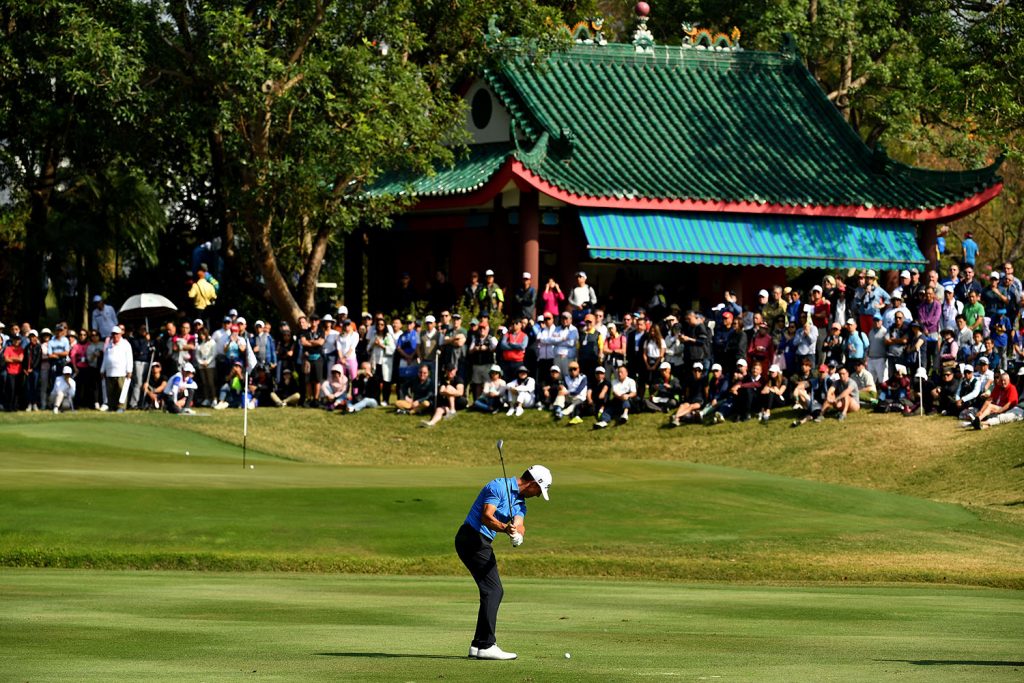
He was considerate enough to let someone share the lead with him on the first day, Japan’s Tomoharu Otsuki. They shot five-under-par 65s.
But thereafter, Ormsby was rarely challenged, thanks to three stunning 66s.
He had a two-shot lead at the halfway mark, and was three ahead after the penultimate day.
And come Sunday afternoon, his four-round aggregate of 17-under-par 263 was four better than the man in second-place, Ireland’s Shane Lowry – the reigning Open champion.
Ormsby earned a cheque for US$180,000 and became the second wire-to-wire winner of the Hong Kong Open after England’s Aaron Rai (2018).
He says: “I made a messy bogey on the first hole on Sunday. I turned a double bogey into a bogey thanks to making a 12 footer. So that was quite key. But I then birdied two, three and four and that really swung the momentum back my way. If ever there was a time I was going to stumble it would have been at that point.”
Throughout the week he drew upon the work he had done with Blundell – which was key in helping him handle the intense pressure that came with leading from start to finish.
“I felt like I knew how to control my thoughts for once. I had led the tournament that long and just figured I should keep doing what I was doing and I would be fine,” added the 40-year-old, a three-time winner on the Asian Tour who currently leads the 2020/21 Order of Merit.
“There are a lot of different techniques sports psychologists use to work on: breathing, pre-shot routine and keeping the messages simple in your head. It is a combination of those things I used. I kept on going to them out there when you kind of need them. They don’t always work at the same time depending on your situation and how you are feeling. I was working very hard internally even though it might look pretty easy from the outside.”
He says Australian Marcus Fraser, his best friend on Tour, was there to give him a beer on 18 when he won but there was not much chance to celebrate as they flew off that night to the next event in Abu Dhabi – which is where he is heading to next week to start his season, with three events in the desert.
Ormsby triumphed in far more dramatic circumstances when he first claimed the Hong Kong Open in 2017. He was four behind SSP Chawrasia at the turn in the final round but was let back into the tournament when the Indian triple-bogeyed the ninth.
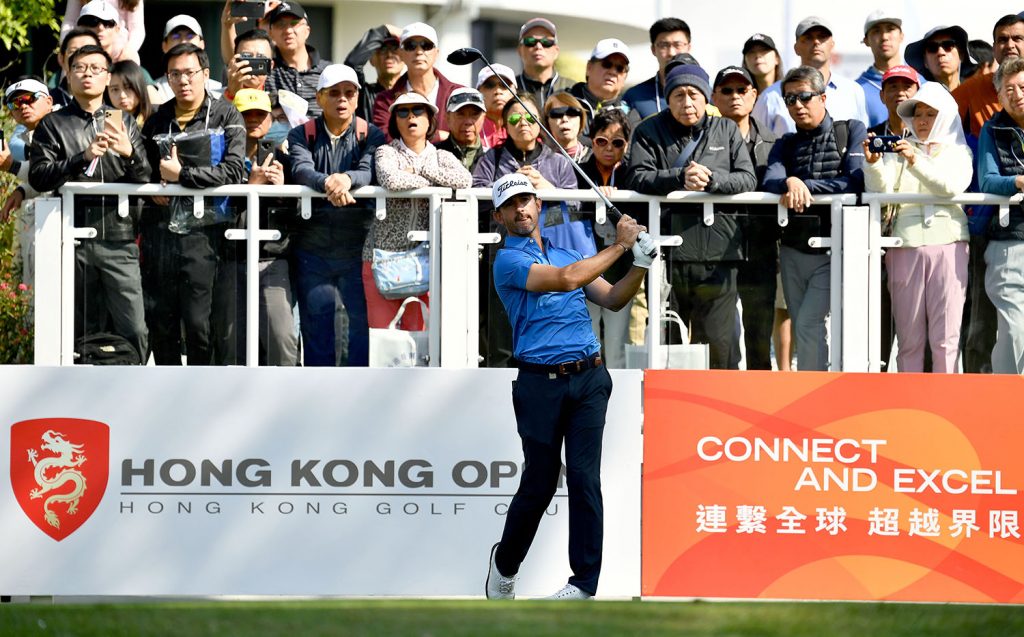
By the 18th, the Australian had a two-shot lead but he three putted for a bogey meaning Spain’s Rafa Cabrera Bello needed a birdie to win or a par to force a play-off. Fortunately for the Ormsby, Cabrera Bello carded a bogey to hand the Australian the biggest win of his career.
And why does Ormsby play so very well at the Hong Kong Golf Club?
Well, it’s just a matter of patience.
He says: “We all know Hong Kong Golf Club, it is a tricky place and you have to play it the way it is set up and don’t overpower it. Everyone has to play from the same spots more or less. It is a lot more about position and being patient. That is one of the fun things about it. And that’s why I like it so much and play well there.”
Ends.
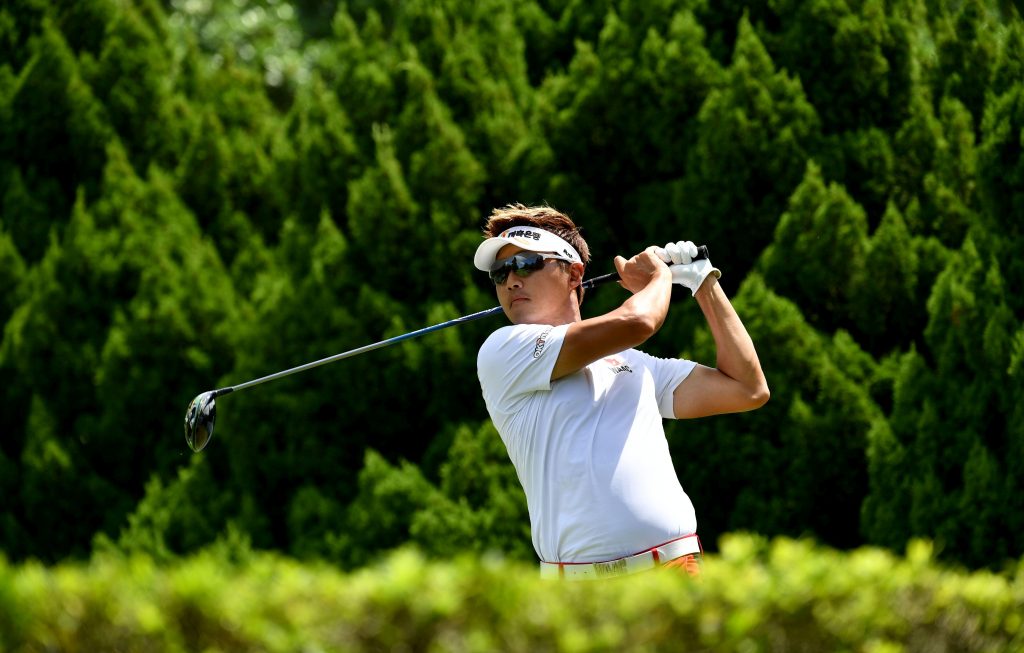
Korea’s KPGA Tour was able to stage 11 tournaments last year, plus two smaller specially approved events – despite trying circumstances caused by the coronavirus pandemic. We spoke to some of the leading players in Korea about how they dealt with 2020 and what their hopes are for the future.
While 2020 was a season most want to forget, there were some success stories in Asia and none more so than Korean Taehee Lee – who claimed the GS Caltex Maekyung Open in August.
Lee became the first player to win what is one of Korea’s most prestigious events twice, after successfully defending the title he claimed in 2019.
“Back-to-back wins at the GS Caltex Maekyung Open was amazing!” said the Korean, who also finished 2020 ranked first on the Korean rankings.
“It was also the first time in history that someone has won it more than once. This year I will do my best to make it three!”

Taehee Lee of Korea
Last season, the GS Caltex Maekyung Open would have been on the Asian Tour schedule but, with travel restrictions in place, the tournament – first played in 1982 – remained solely a KPGA Tour event.
Lee says he was able enjoy a better quality of life in 2020, although frustrated by the lack of tournament playing time.
“As the number of tournaments decreased I could hardly get out and play. The road to overseas events was blocked. But personally, I had more time on my hands; I had more time to focus on my family. It was a time when I could see how precious life is. I also traveled a lot [in Korea] and visited a lot of places. Of course, I had a lot more time to practice as well,” added the Korean.
His first victory in the GS Caltex Maekyung Open, when it was was part of the Asian Tour, saw him earn playing rights for the Tour and he is determined to find more success when the circuit returns.
“I like warm countries, so the Asian Tour is great for me because there are many Southeast Asian venues. I want to do better and I am preparing for that. I want to let my fans know my name if there is a tournament on!”
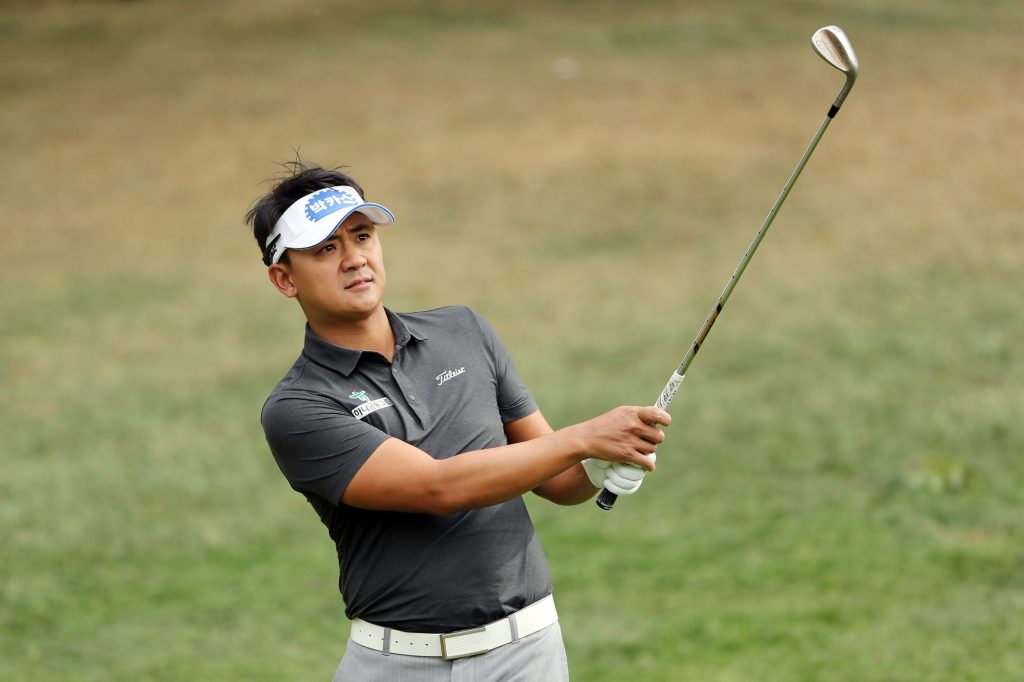
Sanghyun Park of Korea
Two-time Asian Tour winner Sanghyun Park from Korea also welcomed the downtime.
“I have had a good time with my babies at home because of the coronavirus,” said Park, who was runner-up on the Asian Tour Order of Merit in 2018.
“But it has been difficult having lost a lot of tournaments and not being able to go overseas and train.
“I don’t have any plans for the New Year, I will wait and see what happens but I really want to participate in tournaments!”
Says Korean Kyongjun Moon, ranked number one in Korea in 2019: “Due to the spread of COVID-19, I have been taking care of my health with my family and staying quiet at home.
“The number of competitions has decreased and I can’t exercise comfortably, but I was more thankful than ever that I could participate in tournaments!”
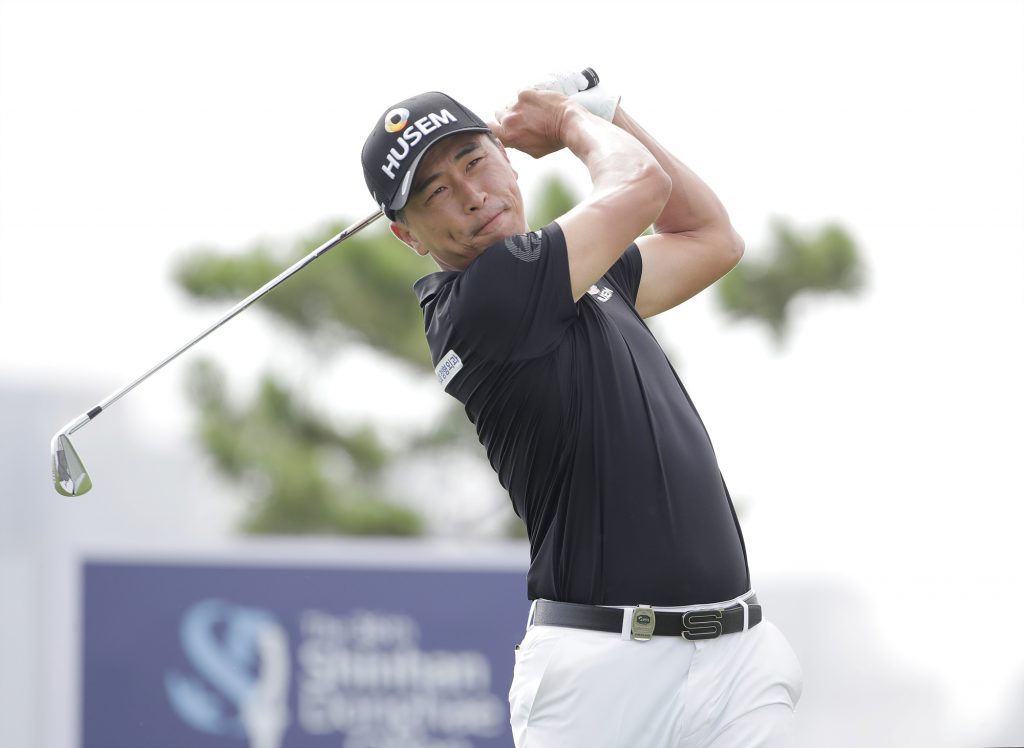
Kyongjun Moon of Korea
Moon said he is prepared to travel this year once country’s “guarantee health and safety”.
“It has been difficult for the Asian Tour because it travels to many countries. In 2020, because of COVID-19, many people’s thoughts changed and it was hard, but in 2021, with vaccines and treatments coming out, I want to travel and meet golf fans on the Asian Tour like before,” added Moon.
“2020 was the ‘fastest’ season of my career,” joked Korean Bio Kim.
“Now I`m taking a rest and watching my baby and working hard on physical training.”
Kim triumphed twice in Korea in 2019, signaling a popular return to form for a player who 10 years ago, as a 21-year-old, was one of the hottest properties in world golf when he qualified to play on the US PGA Tour.
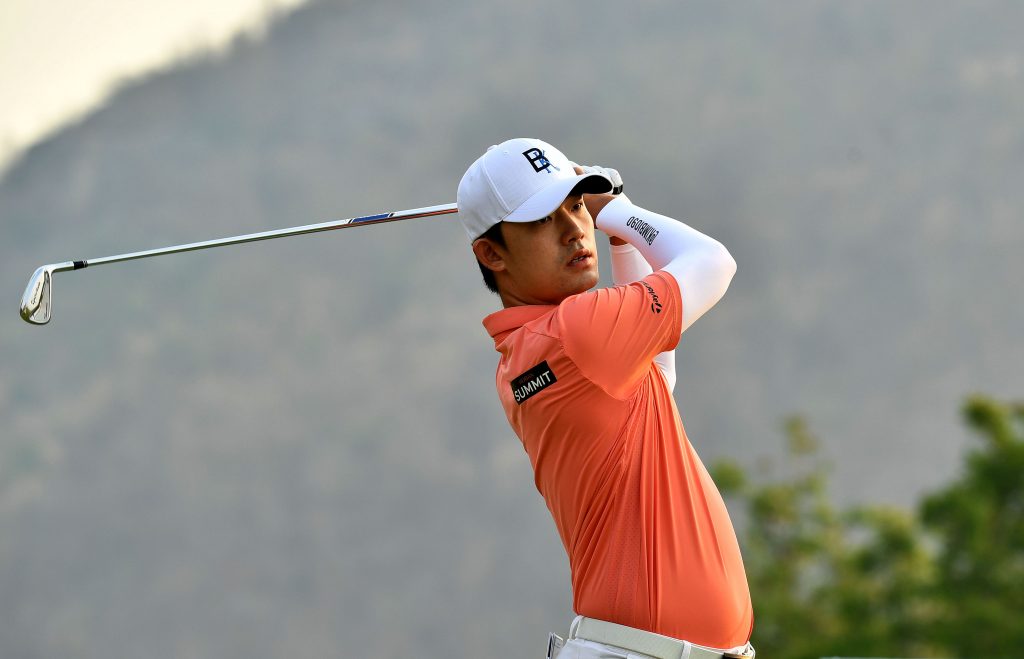
Bio Kim of Korea
He lost his PGA Tour card after one season but upon returning to Korea in 2012, he claimed the GS Caltex Maekyung Open and the SK Telekom Open – another of Korea’s most important events. Great things were expected from him but he struggled thereafter until bouncing back with two wins two years ago.
“I came to think that health is the best [in 2020]. As much as the world was struggling, the players also had a hard year, and without spectators we felt very different as players,” added the 30-year-old, who made it through the Asian Tour Qualifying School at the beginning of last year.
“I want to participate in as many tournaments as possible, but the schedule has not come out yet, and I may need to think about planning for self-isolation for two weeks. But my goal is to win the Asian Tour Order of Merit!”
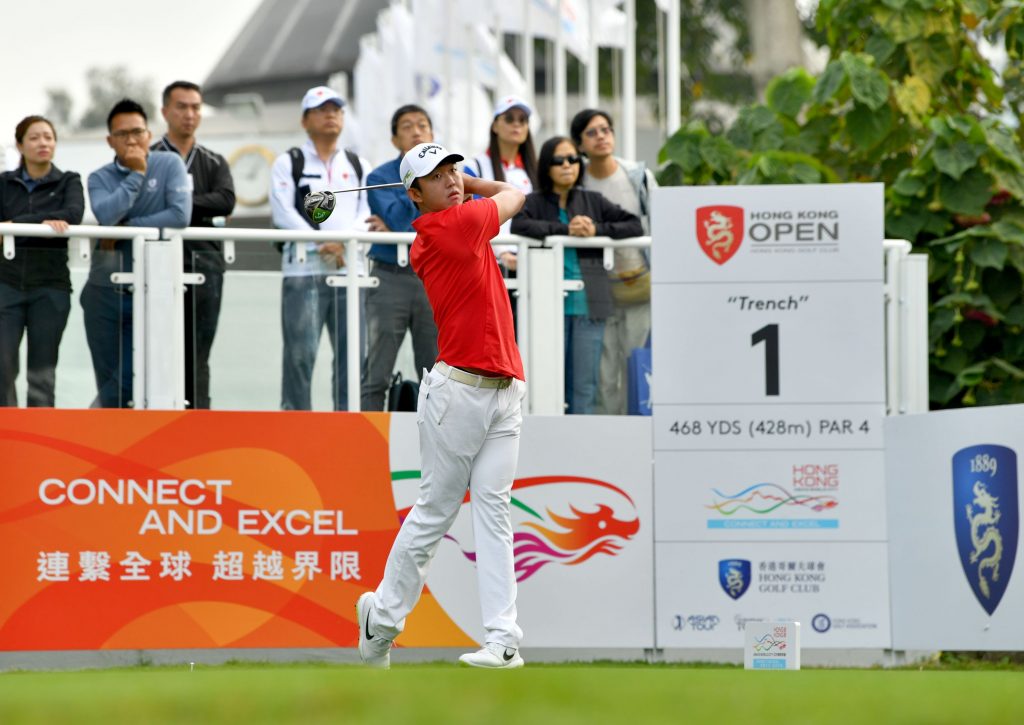
Seung Park of Korea
Seung Park, who in 2019 became the first Korean to win on the Asian Development Tour when he claimed the OB Golf Invitational in Indonesia, was the most philosophical with his answers – despite being 24 years old and at the start of his professional career.
Said Park: “There are a lot of people around the world who are having a hard time because of coronavirus, but history shows that the human race always overcomes any difficulties. Now that vaccines and treatments are being developed, I believe the good times will come back soon. The human race will find the answer. As always.”
*Special thanks to Louis Lee of Korea for assisting with the interviews.
Ends.
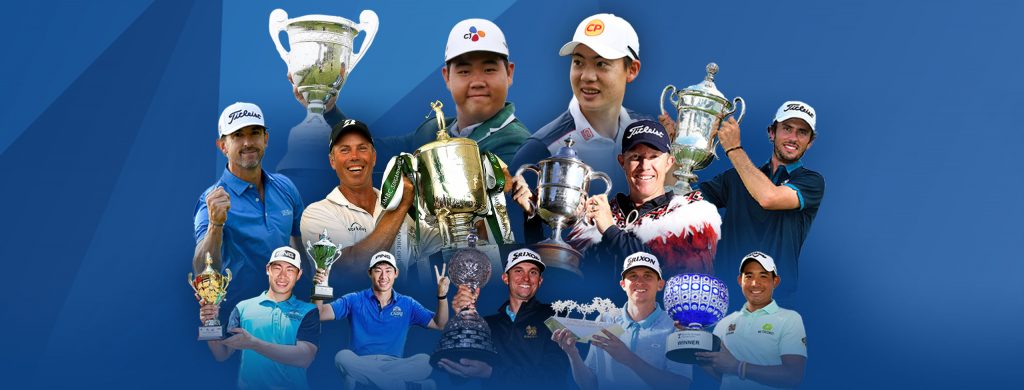
As 2020 draws to a close, let us look back at an unprecedented year which saw us kickstart the season on a high note, celebrating four worthy winners in four different countries, along with another successful staging of the Qualifying School. And while the COVID-19 pandemic forced an abrupt suspension to the Asian Tour in March, our members still excelled in other tournaments around the globe throughout the year.
A galaxy of stars, including 30 Tour champions, lighted up the new 2020 season at the Hong Kong Open in January. American Tony Finau made his debut appearance while Major champion Shane Lowry from Ireland returned to the prestigious tournament for the first time in 10 years.
Australian Wade Ormsby sealed the deal after cruising to a final round four-under-par 66 to win by four shots at the Hong Kong Golf Club. It was his second Hong Kong Open title and third victory on the Asian Tour. Ormsby also became the second wire-to-wire winner in the storied event following England’s Aaron Rai in 2018.
The week after, we celebrated another worthy champion in Matt Kuchar – who put up an inspirational performance to win the SMBC Singapore Open in what was his first attempt. The American overcame a calamitous triple-bogey on the seventh hole by charging back with three birdies to win by three shots at Sentosa Golf Club.
Former world number one Justin Rose of England finished in second place while 2019 winner and reigning Order of Merit champion Jazz Janewattananond from Thailand took outright third at the US$1 million event – sanctioned by the Asian Tour and Japan Golf Tour Organisation.
Korea’s Joohyung Kim came home in fourth place to claim one of the four tickets available to The Open at Royal St. George’s – which was postponed later in the year due to COVID-19. The other three spots went to Canada’s Richard T. Lee, Thailand’s Poom Saksansin and Japan’s Ryosuke Kinoshita.
The 2020 Asian Tour Qualifying School attracted a total of 458 entries from 37 countries across the globe. Zimbabwean Benjamin Follett-Smith finished top of the class with a one-shot victory in the final stage held at the Lake View Resort and Golf Club.
It was his third straight attempt at the Qualifying School and the then 23-year-old had led the grueling 90-hole battle from the second round. Follett-Smith, a one-time winner on the Sunshine Tour, was among the 35 graduates who successfully secured their Asian Tour cards for the 2020 season.
Other notable graduates include Filipino veteran Antonio Lascuna, Korean hotshot Bio Kim, as well as former Asian Tour champions Malcolm Kokocinski of Sweden, Scott Strange of Australia, Natipong Srithong of Thailand and Masanori Kobayashi of Japan.
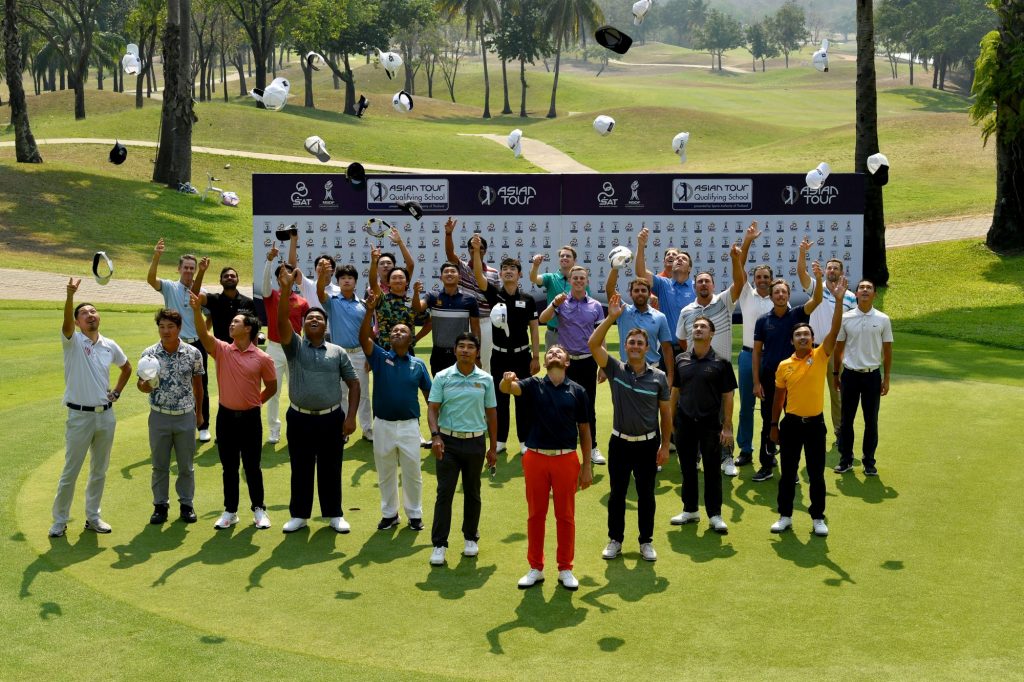
Australia’s Brad Kennedy held aloft the New Zealand Open trophy for the second time since 2011 after closing with a stunning eight-under-par 63 to win by two shots at the picturesque Millbrook Resort.
“I had always said 2020 was my last year. I’ve been playing 25 years on Tour and it was time to get home and spend some more time with my kids and wife. Who knows now? If I can still do it at 45 then I don’t know what’s going to happen, “said Kennedy following his victory.
Korea’s Joohyung Kim, who had led after the first three rounds, settled for fourth place after signing off with a 70. Thailand’s Pavit Tangkamolprasert capped his best result in three outings to the New Zealand Open following an 11th place finish.
In March, American Trevor Simsby picked up his first Asian Tour title after emerging triumphant on the second play-off hole against Andrew Dodt of Australia at the weather shortened event held at the Kota Permai Golf and Country Club, which is now an Asian Tour Destination.
Simsby, a graduate from the University of Washington where he played alongside PGA TOUR champion C.T. Pan of Chinese Taipei, was thrilled to claim his career biggest win yet in only his 12th start on the Asian Tour and first this season at the Malaysian showpiece.
The Bandar Malaysia Open, sanctioned by the Asian Tour and in partnership with the Japan Golf Tour Organisation, was reduced to 54 holes by officials following several weather delays. It returned to the Asian Tour schedule after a four-year absence.
Asian Tour members excel internationally
The sports world faced unprecedented upheaval later in March due to the COVID-19 pandemic. But when the PGA TOUR and European Tour resumed their seasons in June and July respectively and the other domestic Tours in the region gradually restarted, our players made the most of their limited playing opportunities to cap an unforgettable year.
In July, Joohyung Kim from Korea won the KPGA Gunsan CC Open for his first victory on home soil, a week after losing in a play-off. The victory saw him break into the top-100 on the Official World Golf Ranking (OWGR) – thereby earning a coveted spot in the PGA Championship, where he made his Major debut the following month.
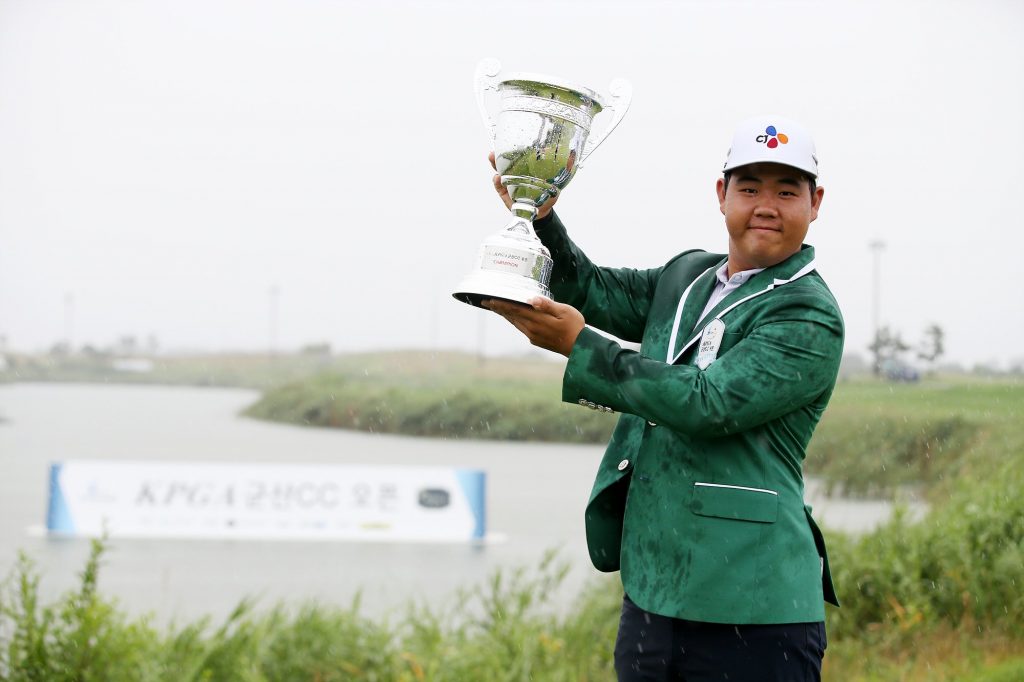
Joohyung Kim of Korea
The same week, American David Lipsky, the Asian Tour’s number one in 2014, recorded his first win on the Korn Ferry Tour at the TPC San Antonio Challenge while Thai veteran Thaworn Wiratchant, at 53 years old, proved age is just a number when he emerged triumphant at the Thongchai Jaidee Foundation event held on the All Thailand Golf Tour.
Also that week, Japan’s Naoki Sekito clinched a home victory at Golf Partner with JGTO Exhibition Tournament. The 2019 Asian Development Tour Order of Merit champion posted rounds of 65 and 61 for a two-shot victory over compatriot Shotaro Wada.
Korea’s Soomin Lee emerged victorious on home soil the following week when he won the KPGA Open with SOLLAGO CC. Lee had prevailed with a birdie on the second play-off hole against compatriot Minkyu Kim in the modified stableford tournament.
In August, Thailand’s Gunn Charoenkul clinched back-to-back titles on the Thai PGA Tour following a play-off victory at the Singha-SAT Nakhon Nayok Classic. This followed his win in the Singha-SAT Hua Hin Championship.
“For the first time in my life, I have won back-to-back on a Tour!” said Gunn, who became a first-time dad earlier in January. “This is also the first time that I fought my way back to win. It will benefit me in terms of mental toughness from now on.”
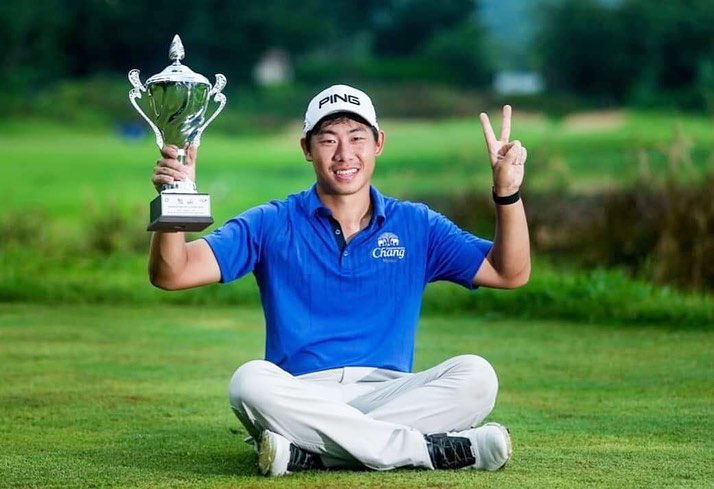
Gunn Charoenkul of Thailand
Soon after that, Pavit Tangkamolprasert of Thailand won the Singha-SAT Prachinburi Championship, also on the Thai PGA Tour. The two-time Asian Tour champion had earlier claimed an unprecedented seventh title on the Asian Development Tour at the Boonchu Ruangkit Championship in January.
A week later, another Thai star Prom Meesawat won the Singha Pattaya Open for a record fourth time on the All Thailand Golf Tour. Prom aced the 17th hole en route to a closing 63 and a five-shot victory at the Burapha Golf & Resport in Chon Buri.
Another record was set in Korea later that month when Taehee Lee became the first player to successfully defend his title in the 39-year history of the GS Caltex Maekyung Open. He had closed with a second straight three-under-par 67 to win by one shot at the Elysian Gangchon Country Club.
Lee, who claimed his Asian Tour breakthrough at the Maekyung Open in May 2019, returned to a new venue for his title defence and successfully retained the trophy with a winning total of 11-under-par 199 in the 54-hole event for his fourth title on his domestic Tour.
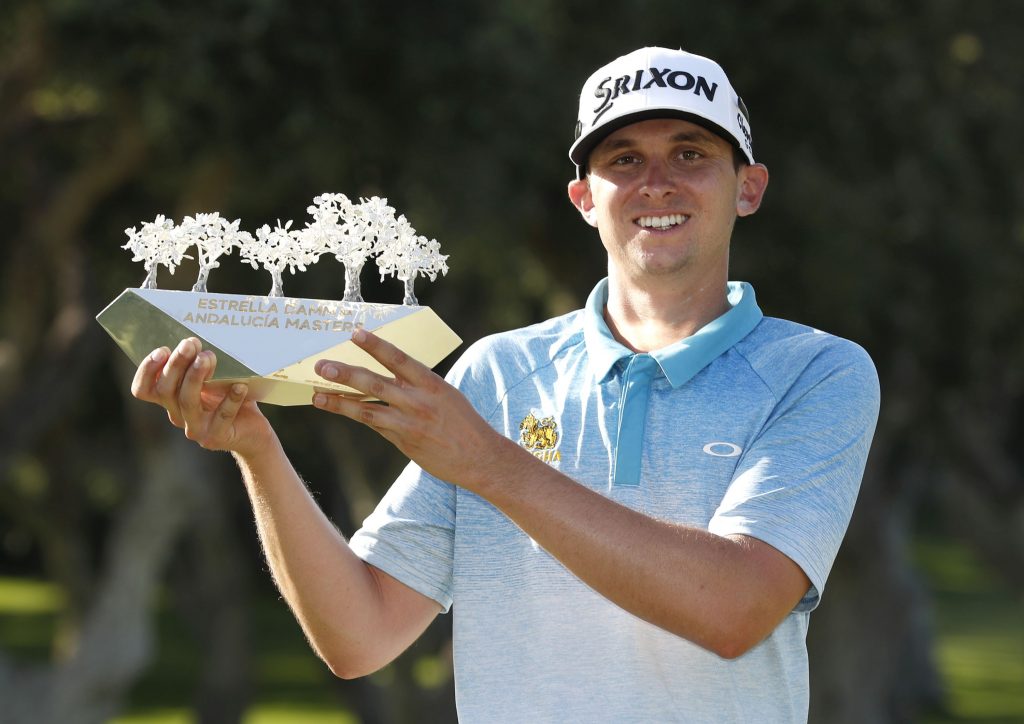
John Catlin of the United States
In September, American John Catlin became the talk of the town when he won twice in the space of three weeks on the European Tour – first at the Estrella Damm N.A. Andalucia Masters in Spain and then the Dubai Duty Free Irish Open.
Catlin, a four-time winner on the Asian Tour, propelled to a career-high 84th place on the OWGR following his victory in Ireland and would eventually end the year in 99th place, sitting inside top-100 for the first time since turning professional in 2013.
Also in September, Thailand’s Suradit Yongcharoenchai outlasted countryman Panuphol Pittayarat to win the Singha-SAT Kanchanaburi Championship on the Thai PGA Tour after a dramatic seven-hole playoff at the Blue Sapphire Golf and Resort.
And Japan’s Rikuya Hoshino, who enjoyed a top-five finish at the Bandar Malaysia Open in March, won the JGTO Fujisankei Classic for the second time in his career and broke into world’s top 100 following his win.
The week after, Joohyung Kim made his regular PGA Tour debut at the Safeway Open and came in tied-67th and Hanbyeol Kim capped back-to-back victories on the Korean PGA Tour after winning the prestigious Shinhan Donghae Open.
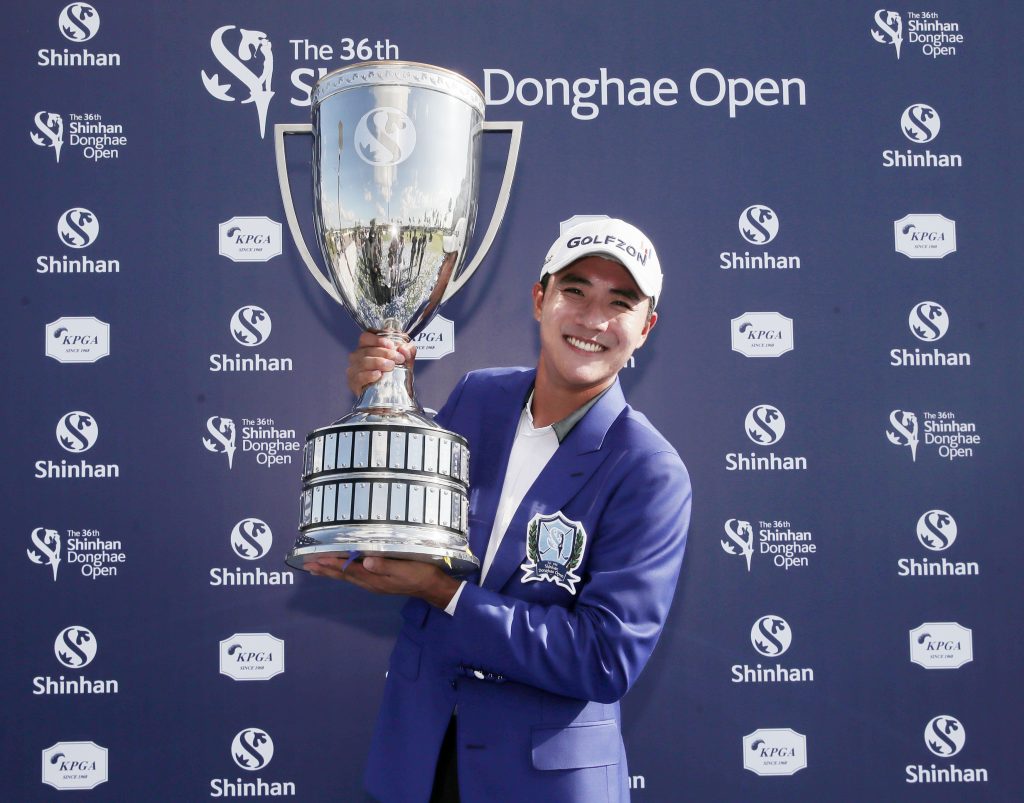
Hanbyeol Kim of Korea
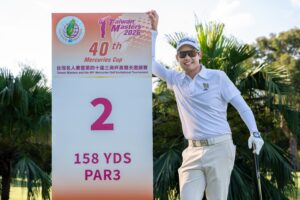
Big-hitter Wang Wei hsuan became the youngest Taiwanese to win the storied Mercuries Taiwan Masters. The 22-year-old won by three shots in the long-running event which was sanctioned solely by the Taiwan PGA this year due to the pandemic.
Ratchapol Jantavara of Thailand, who narrowly missed out on getting his full Asian Tour card at the Qualifying School earlier this year, capped off an action-packed September by claiming his long-awaited first professional victory in 10 years at Singha All Thailand Masters.
In October, Thailand’s Pawin Ingkhapradit claimed a one-shot victory at the All Thailand Golf Tour’s season-ending Singha Laguna Phuket Open, a popular event which was previously held annually on the Asian Development Tour.
Thailand’s Jazz Janewattananond enjoyed a dream start to his Masters debut, thanks to an opening three-under-par 69 at the Augusta National Golf Club. Jazz was one over after bogeys on 11 and 12 but stormed home making four birdies on his final six holes.
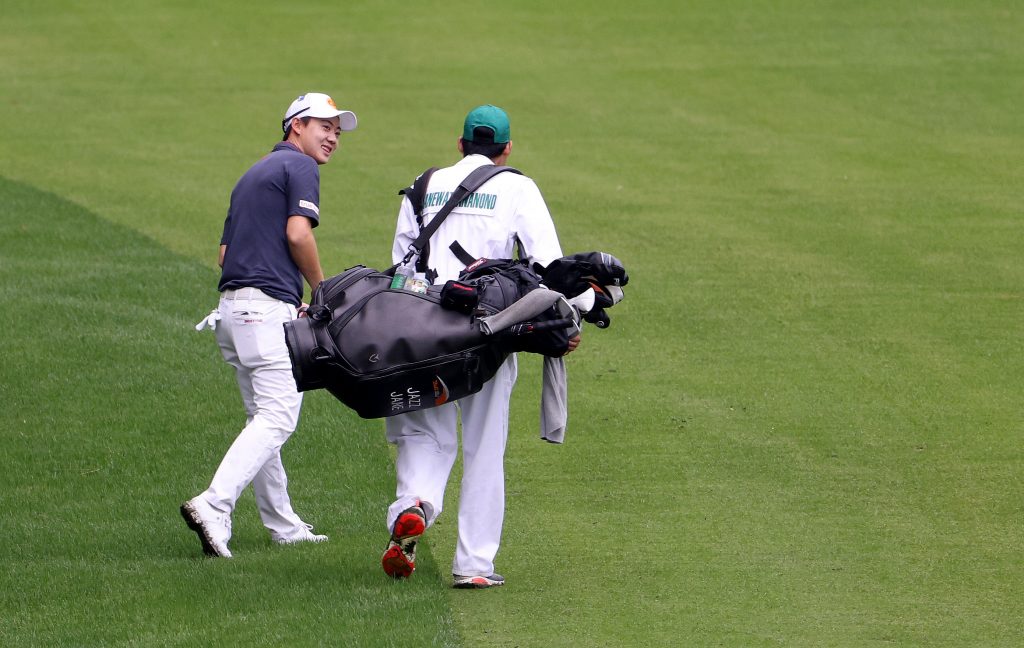
Jazz Janewattananond of Thailand walks with his caddie Pulit Thongtae during a practice round prior to the Masters.
The 2020 Masters Tournament, which was supposed to take place in April as the year’s opening Major, had been rescheduled to November 9th-16th due to the coronavirus pandemic.
Panuphol Pittayarat was another Thai who tasted success in 2020, winning the Singha-SAT Kanchanaburi Classic for his second victory on the Thailand PGA Tour and first since 2013.
This December, we celebrated three more victories of our players in their respective home countries with Hung Chien-yao winning the Taifong Open in Chinese Taipei, Rattanon Wannasrichan regaining his winning form at the Singha-SAT Khon Kaen Championship in Thailand and India’s Gaganjeet Bhullar claiming the TATA Steel Tour Championship for his 10th victory and first in nine years on the PGTI Tour.
It has been an extraordinary year and despite the challenges, it was heartening and inspiring to see a handful of our members continuing to find success on the golfing stage – something which will serve them well when the Asian Tour returns.
Ends.
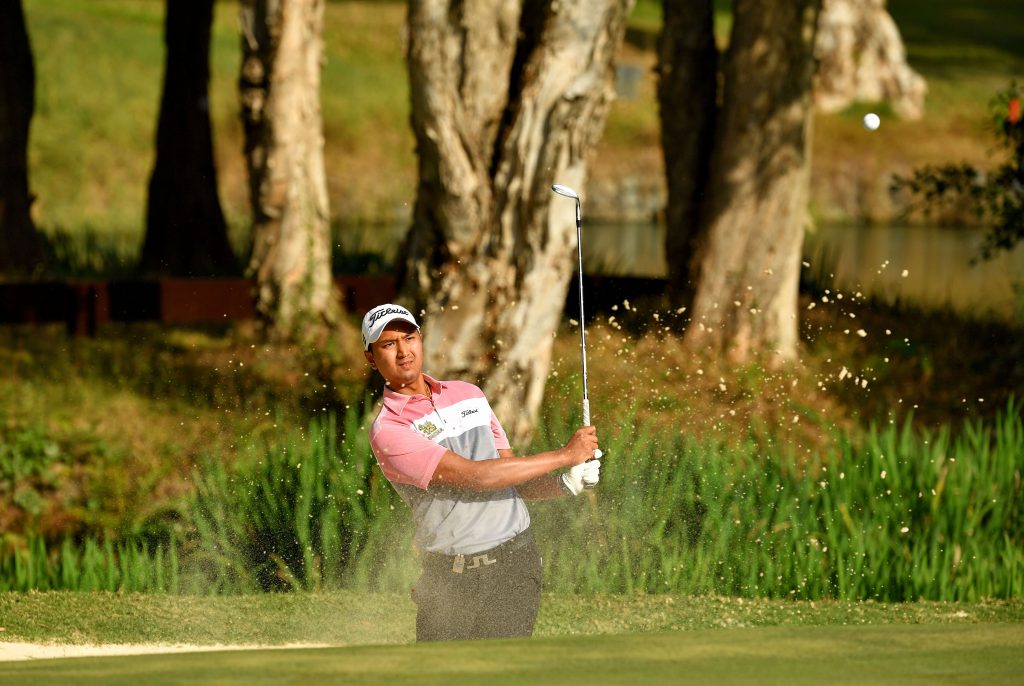
Thailand’s Sadom Kaewkanjana, who burst onto the professional scene last year by winning on both the Asian Tour and Asian Development Tour (ADT), says he can’t wait for the Asian Tour to resume play.
“I missing playing in international tournaments and I haven’t met my foreign friends for a while,” said Sadom.
“However, I have been competing in more golf tournaments in Thailand and I have more time to practice and improve my shots.”
The rising star claimed the Bangabandhu Cup Golf Open in Bangladesh in April last year – two months after winning the Thongchai Jaidee Foundation event on the Asian Development Tour (ADT).
His success in Bangladesh meant he became the fastest Qualifying School graduate to win on the Asian Tour. He had successfully negotiated the Qualifying School at the end of 2018 and the Bangabandhu Cup Golf Open was his first event as a professional on the Asian Tour.
The record was previously held by Australian duo Kane Webber and Todd Sinnott who won in their second starts after coming through the Qualifying School in 2006 and 2017 respectively.
Sadom has been playing on both the All Thailand Golf Tour and Thailand PGA Tour this year, and finished off his season with a top-20 finish in SINGHA-SAT Khon Kaen Championship last week.
“My performance during the year was okay. During this time, I have been trying to make my body stronger and I have been training to get more driving distance,” said Sadom, who shot to fame in 2017 when he triumphed in the Singha Pattaya Open on the All Thailand Golf Tour as an amateur.
He enjoyed a stellar amateur career and was ranked as high as 10th on the Official World Amateur Rankings. His amateur wins include the Malaysian Amateur Open and All Indian Amateur, both in 2017, and the 2018 Dutch International Junior Open.
“Next year, I aim to play mainly on the Asian Tour and I hope to finish in a good position on the Order of Merit. I will also play on Thailand’s tours, where I hope to win at least once.”
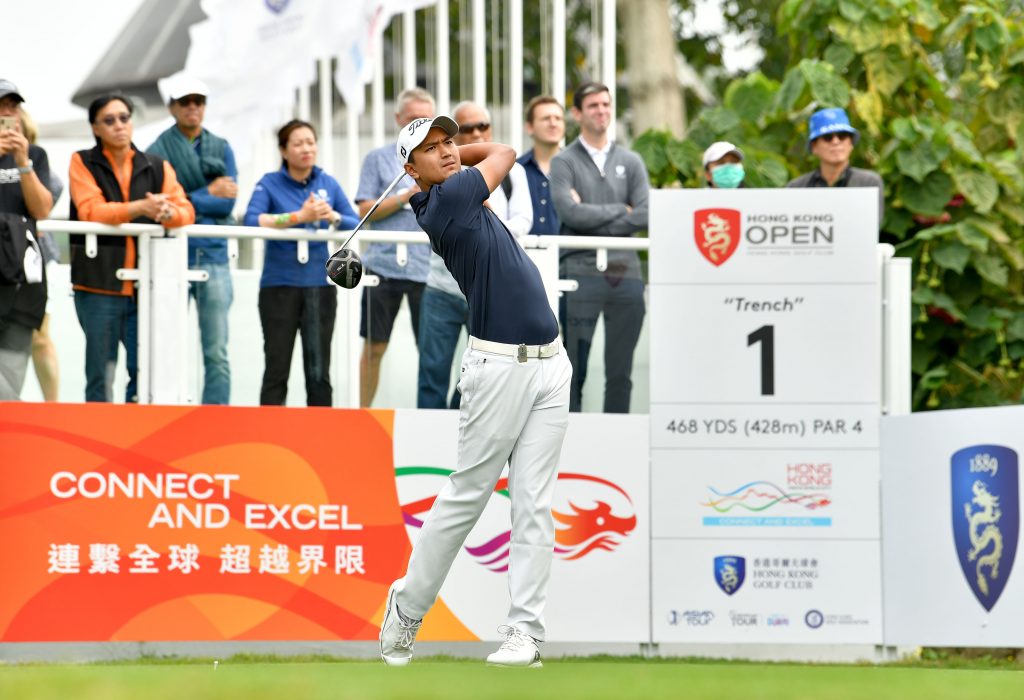
HONG KONG- The Hong Kong Open at the Fanling Golf Club, Fanling, Hong Kong, the Asian Tour USD$ 1 million event is the season opener. Picture by Paul Lakatos / Asian Tour.
The 22 year old chose to spend much of this year in his home town in the south of Thailand.
He adds: “I have done many activities with friends that I haven’t done for a long time such as playing football. I like football and I was a football player when I was young, but when I started playing golf, I didn’t have time to play football. Also, I had more time to learn how to cook and I have spent more time with my family.”
“I would like to say Happy Christmas and Happy New Year to everyone. May everyone be happy, healthy and safe from COVID-19. Please don’t forget to wash your hands often!”
ENDS
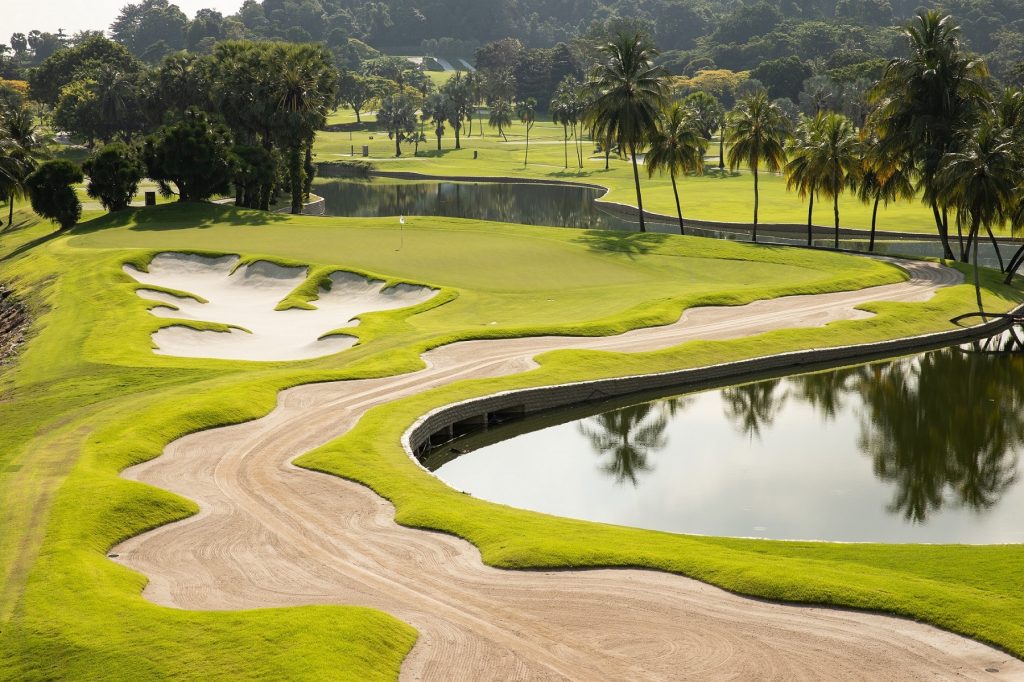
Myanmar’s Kyi Hla Han and Zaw Moe, past winners of Singapore’s National Open, enjoyed the privilege of playing the newly-renovated Serapong course at Sentosa Golf Club last week and as expected, they were full of praise for the famous layout.
Han, a former Asian Tour number one and winner of the Singapore Open in 1994, and Moe – the 1997 Singapore Open champion – were invited by the club to play the course during its soft opening.
They were joined in their group by Cho Minn Thant, Commissioner & Chief Executive Officer of the Asian Tour, and Australian Unho Park – a 20-year veteran of the Tour, who is now a key part of its’ administrative team.
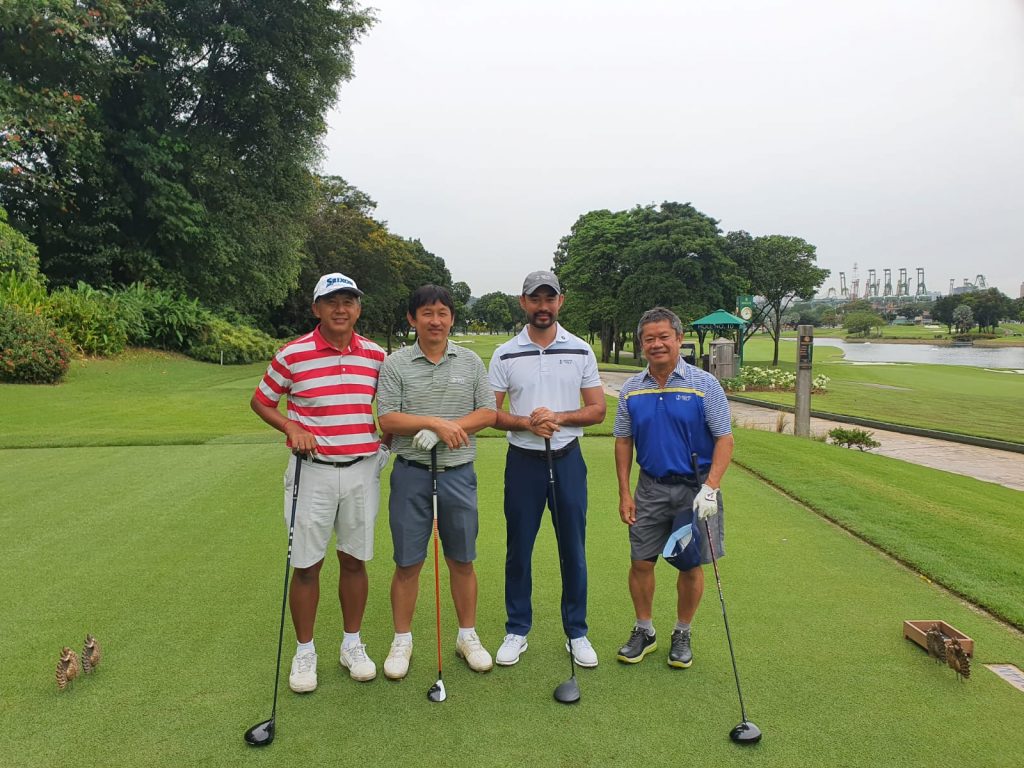
From left: Zaw Moe, Unho Park, Cho Minn Thant and Kyi Hla Han.
The Serapong, voted by the players on the Asian Tour as the ‘Best Golf Course on Tour’ last year, had been closed since March as it underwent extensive renovations.
The soft opening was held on Friday and saw all the members of staff who worked on the course get to play it for the first time before the official opening on Saturday.
Changes have been made to the bunkers – which now have creative, artistic serrated edges – fairways, and tee boxes.
“The renovations are great!” said Han, a former Commissioner of the Asian Tour.
“The fairways and greens are fantastic, and the bunkers are also excellent. There was a course I was working on in Mandalay, in Myanmar, which has classic bunkers with rough edges which give the course a more classic look. So the changes to the bunkers here at Sentosa are similar – I think it is a wonderful design element, and something that appeals to me as a course designer, the more classic, older look.
“The Serapong has always stood up so well to the players in the Singapore Open – the scores are not too low. It is a tough course from the back tees. It is playing too long for me now! I need to play a shorter course.”
Zaw was equally impressed.
“The course looks fantastic. The fairways are really good, they have just one type of grass, as opposed to different types,” said Zaw, who played with great success on both the Asian Tour and Japan Golf Tour Organization.
“For me the course looks the same but it is the condition that is really noticeable. The course looks neat and extremely well presented as always. And of course you can really see the new shaping around the bunkers – very distinctive.”
The Asian Tour is headquartered at Sentosa Golf Club, so Cho was also delighted to have the chance to play the course.
“The Serapong has always been one of the highest acclaimed courses on the Asian Tour. They [Sentosa] have really outdone themselves in what they have done to the course over the last nine months,” said Cho.
“The condition of the golf course is excellent. They have made the bunkers a bit trickier, the sand is great, the fairways are looking immaculate, and the greens are rolling great so there’s not much more we can ask for.
“There is no real one thing that stands out. I feel it’s one of those courses that doesn’t have a signature hole because the whole golf course is memorable, and the finer details have been done really well.
“It is remarkable for the members to give up their golf course during this pandemic period where a lot of people were actually playing golf, it’s incredible they could have the patience and the foresight to do that. It is going to pay dividends in the long run.”
Ends.
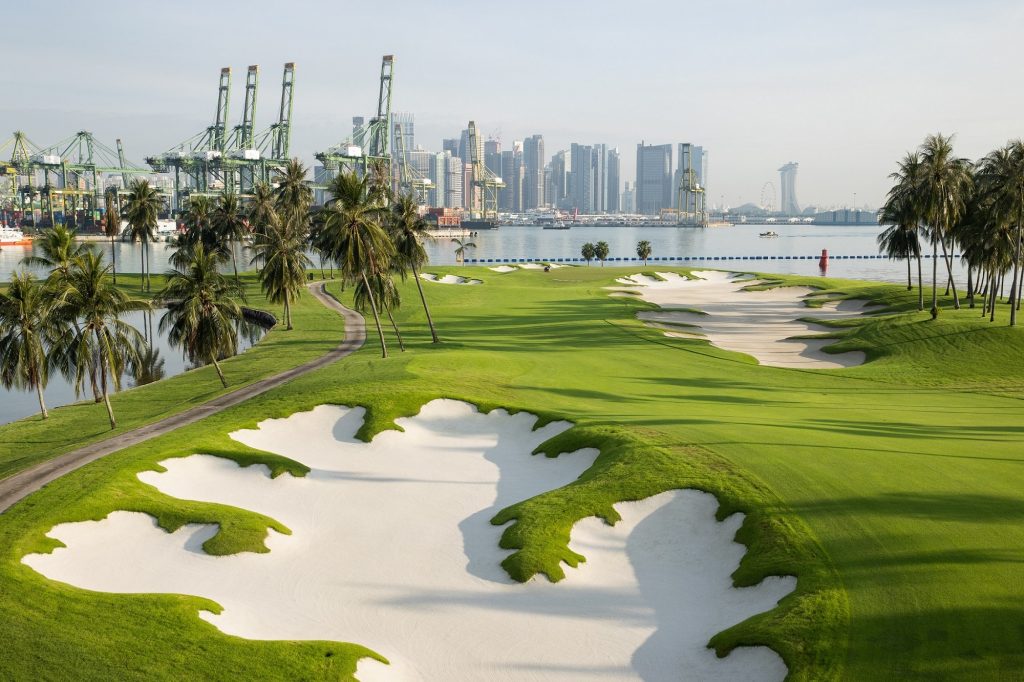
Sentosa Golf Club has today officially reopened its world-class state-of-the-art championship course, The Serapong, after it underwent an extensive renovation in March to maintain its immaculate conditioning and playing standards.
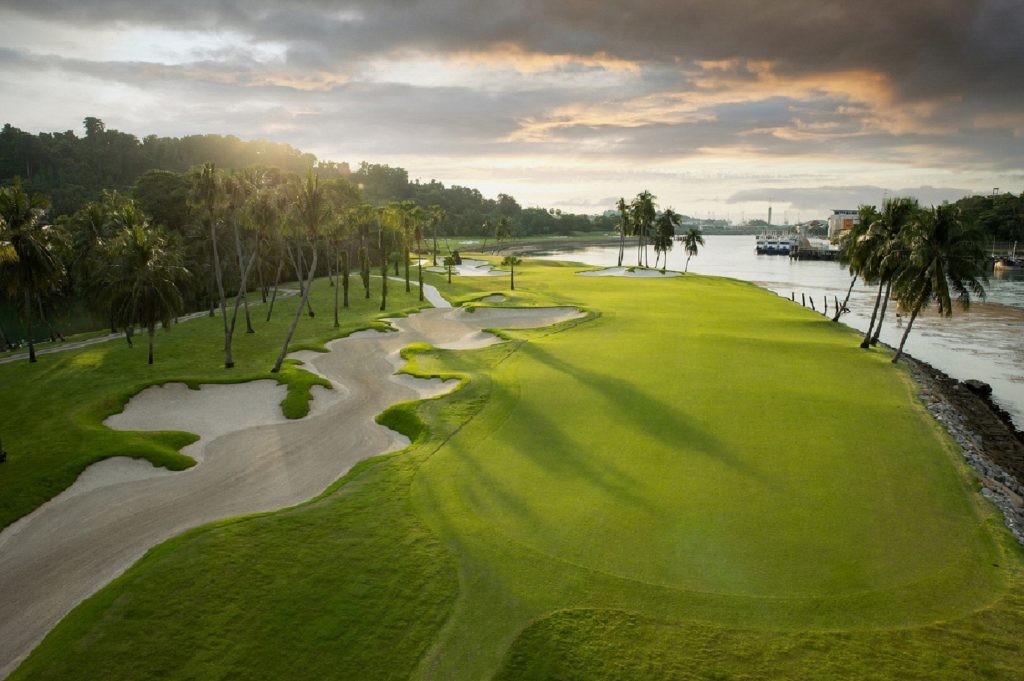
The renovations are headlined by a new bunkering style with creative, artistic serrated edges to enhance The Serapong’s character and overall strategy, whilst elevating the course to a new level on the world stage. The club used 6,000 tonnes of new sand during the renovations to reinstate consistency, texture and tournament ready compaction for improved playability.
Modifications have also helped to enhance and preserve the personality of many of The Serapong’s iconic holes, including the signature 5th hole, which overlooks metropolitan Singapore and its bustling port.
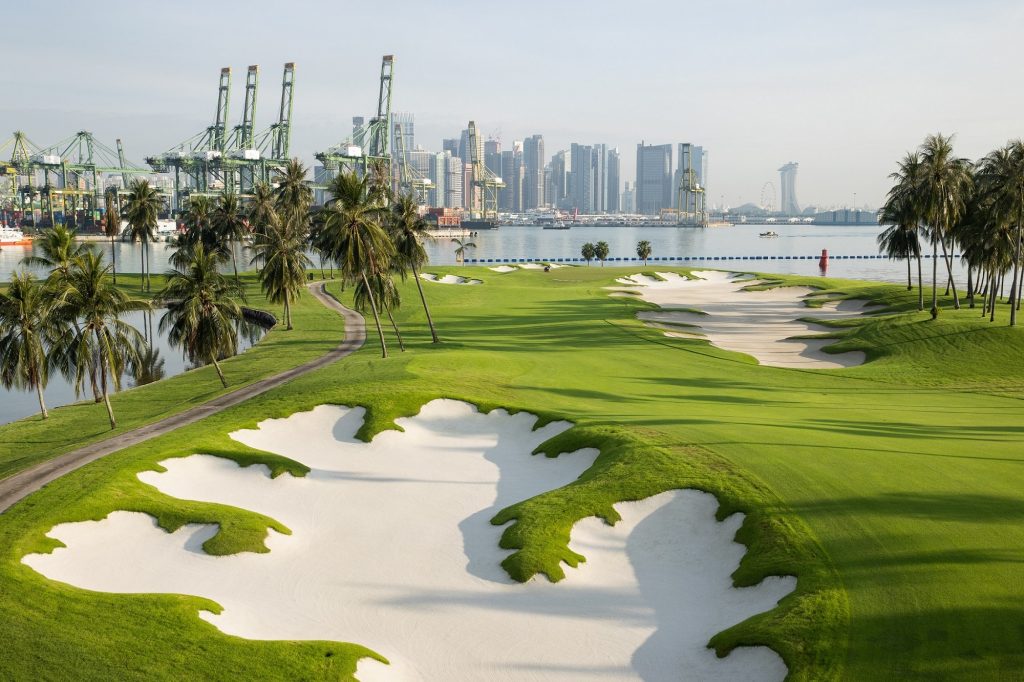
The Serapong’s iconic 5th hole has seen extensive renovations to its bunkers.
Masterminded by Andrew Johnston, the club’s General Manager, Director of Agronomy and resident Golf Course Designer, The Serapong has been closed since March and, alongside the new bunkering, a number of other key course upgrades were implemented during that time.
These included the re-grassing of fairways, rejuvenating them with minor grading adjustments and improved drainage strategies, as well as modifying the greens soil profile by introducing new carbon technology to boost soil chemistry and profile structure.
Enhancements to the greens are set to make The Serapong’s putting surfaces even better, which is hard to believe given the wide acclaim they already receive from its members, guests and visiting Tour Professionals.
Finally, the renovations also paid close attention to the re-levelling of all tee boxes, reinstating them with the historic tabletop flat finish The Serapong is renowned for. It will enable the club to continue to maintain the tees at a super low mowing height of 3mm, improving the quality of the playing experience for members and guests.
The 14th hole on The Serapong.
Speaking ahead of The Serapong’s reopening, which is a soft launch ahead of a grand reopening next March, Andrew Johnston said: “The last time The Serapong was renovated was nearly 14 years ago and since then the course has grown to become one of the world’s best, picking up multiple accolades in the process. Despite the challenges presented by the worldwide pandemic, we have found a way to pull the Sentosa family together within the safe working restrictions to complete the works. This has been a very exciting project that was well overdue, and we are confident the changes implemented will only enhance the golfing experience for our members and guests.
“Being located in a sub-tropical climate means the golf course ages faster than an ordinary one, and these renovations are crucial to maintaining the quality of the playing surfaces, as well as the conditions and high-standards that we pride ourselves on here at Sentosa, 365 days of the year.”
Dominic Wall – Director – Asia-Pacific at The R&A, commented: “The newly renovated Serapong looks great, and continues to showcase why Sentosa Golf Club is one of the world’s leading golfing venues. It is fantastic to see that, throughout the entire process of the renovations, the project continued to align with the club’s ground-breaking sustainability agenda. With our Asia-Pacific headquarters located at the club, we look forward to seeing Sentosa’s members and guests back out on the fairways taking on The Serapong’s unique challenge.”
Cho Minn Thant, Commissioner & Chief Executive Officer at The Asian Tour, added: “The renovations undertaken on The Serapong by the team at Sentosa have been nothing short of breath-taking. The renovations have enabled The Serapong to retain its unique personality and characteristics that made it one of the world’s top golf courses, as well as the best golf course in Singapore. With the course now reopening to members, we are looking forward to welcoming back Asia’s best players next year to battle it out at the SMBC Singapore Open.”
The Serapong was originally designed by the world-famous golf course design firm Golf Plan and Ronald Fream, opening in 1982. The course was further renovated in 2006 by the Bates Golf Design Group, who were led at the time by their VP of Design and Construction, Andrew Johnston, and whose designs have seen the course’s trademark contours, extended stone-lined lakes and breath-taking Singapore harbour backdrop become renowned across the world.
It was recently voted ‘Singapore’s Best Golf Course’ for the second year in a row at the World Golf Awards back in October and finds itself regularly listed as one of the world’s greatest golf courses.
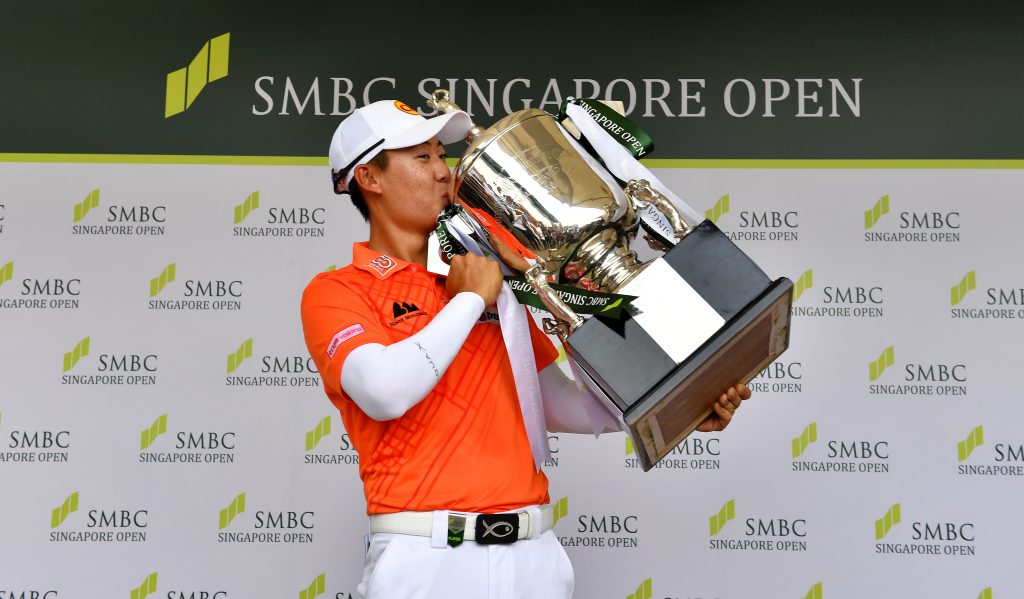
SINGAPORE- Jazz Janewattanananond of Thailand pictured with the winner’s trophy on Sunday January 19, 2019 after the final round of the SMBC Singapore Open at the Sentosa Golf Club, Singapore. The USD$ 1 Million event is co- sanctioned with the Asian Tour and Japan Tour. Picture by Paul Lakatos/Lagardére Sports.
The Serapong has played host to the Singapore Open since 2005 (initially Barclays Singapore Open, then SMBC Singapore Open from 2015), welcoming some of the world’s finest players such as 2005, 2006 and 2010 winner Adam Scott, 2018 winner Sergio Garcia and rising Asian star Jazz Janewattananond, who captured the title in 2019.
The 2020 edition was one of the most memorable in history with all three of Rio’s 2016 Olympic medalists, Justin Rose, Henrik Stenson and Matt Kuchar in attendance. Kuchar eventually took the title finishing on 18 under par to beat Justin Rose by three.
Ends.
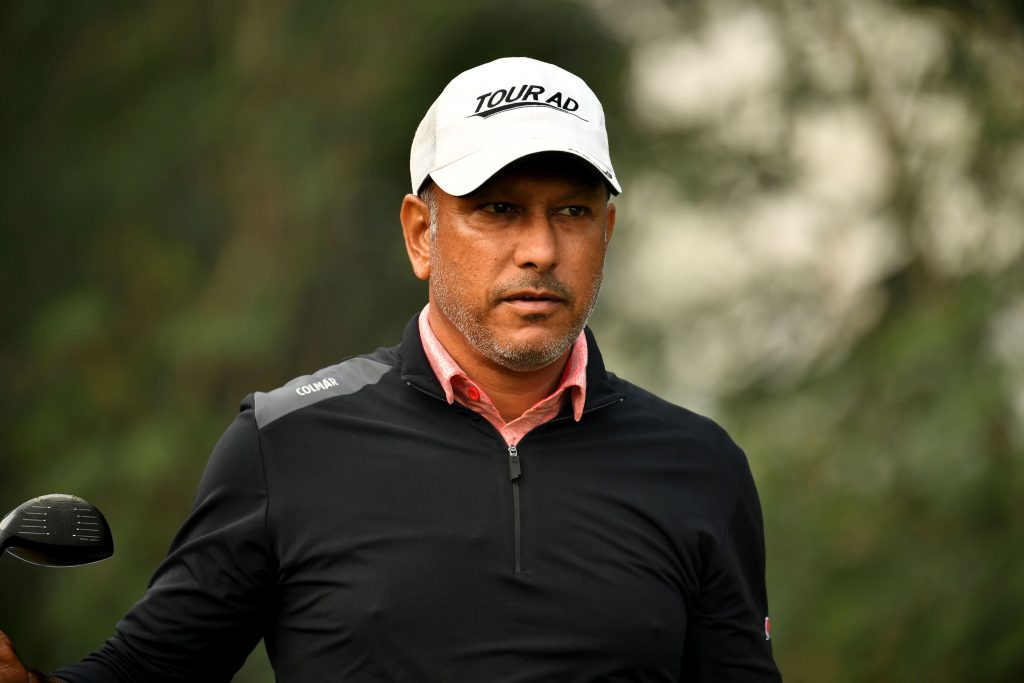
Jeev Milkha Singh has revealed – in the latest My Time, in partnership with Rolex video – one of the biggest decisions of his golf career involved a phone call to his parents in the early 1990s.
While excelling on the golf team at Abilene Christian University in the United States he felt the call of the professional game but needed clearance from family HQ back in his hometown of Chandigarh, in India.
“Had to make a big call; picked up the phone and spoke to my parents,” says the Indian star, who turns 49 today.
“My dad said: ‘you know what, please go ahead, but don’t come back to me after five or 10 years and tell me you want to do something else’. They obviously gave me the right guidance.”
It was a wise move by Singh seeing as his father, Milkha Singh, is arguably India’s greatest sprinter and his mother, Nirmal Kaur, a former captain of the Indian women’s volleyball team.
“Actually we wanted to make him a doctor,” says Milkha Singh.
“He said: ‘no I want to play golf’. [I said] If you want to play golf then you have to work day and night. I want to see you number one in the world!”
While the young Singh didn’t quite reach that target he more than justified his decision to turn professional by winning the Asian Tour Order of Merit title twice, claiming five titles on the Asian Tour, and four on both the European Tour and Japan Golf Tour Organization.
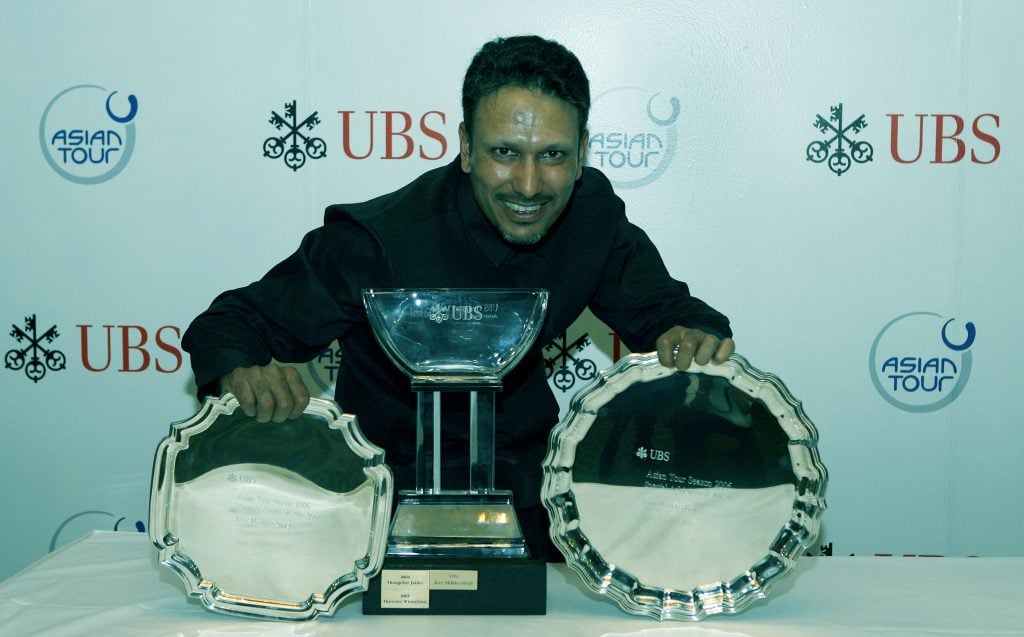
171206-BANGKOK-THAILAND-Jeev Milkha Singh of India poses with his awards on 17 December 2006 at the UBS Asian Tour awards night. Singh won the UBS Asian Tour Order of Merit Award, the Players Player of the Year Award and the UBS Achievement Award, which were presented to him at the Mandarin Oritental Hotel Bangkok, Thailand. Picture by Paul Lakatos/UBS.
Singh was introduced to the game of golf at the age of nine by his father and later earned a golf scholarship in America after representing the Indian national team.
He says: “My inspiration growing up was my father. Lots of people in India said: ‘you come from the Milkha family, you have a lot of pressure’.”
He turned professional in 1993, never looked back and became the flag bearer for Indian golf.
“Everybody asked me: ‘hey, do you guys play golf in India?’. I said: ‘yes we do’, and they said: ‘oh, we didn’t know that’. And I said you know what, let’s show them that there are good golfers out of India,” adds Singh.
“But if I played in Italy I needed an Italian visa, or Spain a Spanish visa. And in France I needed one there. Some weeks I had to miss because I couldn’t get a visa in time. But nothing comes easy, you have to take it in your stride.”
He suffered a loss of form mid-way through his career but bounced back by winning the Volvo China Open in 2006.
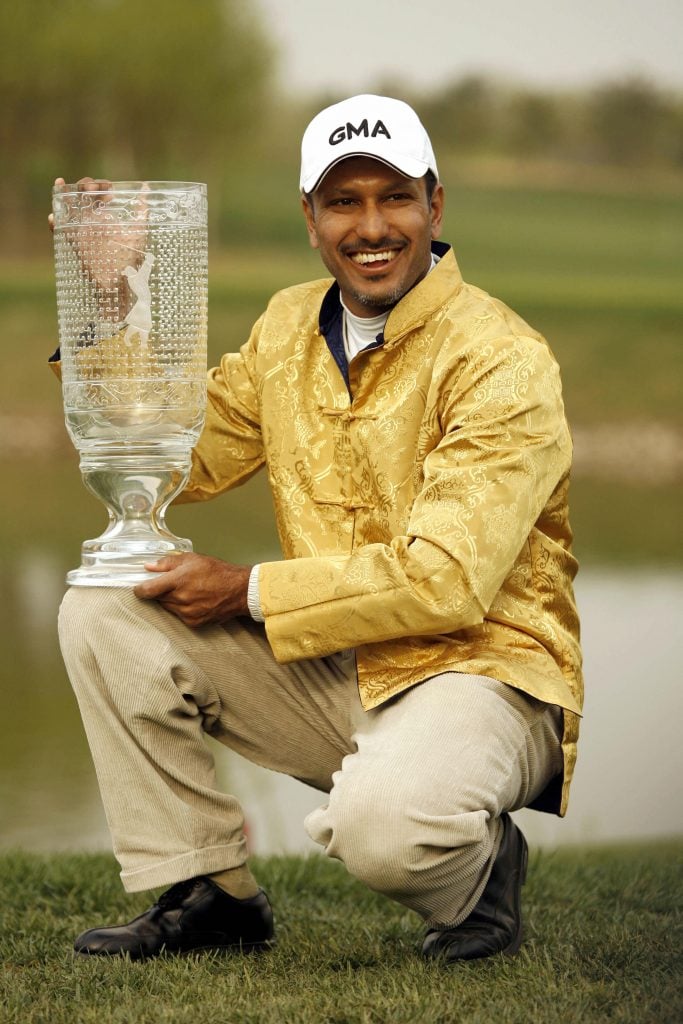
Beijing, CHINA: India’s Jeev Mikkha Singh holds his trophy after claiming his maiden European Tour victory 16 April 2006, winning the 1.8-million USD Volvo China Open by one shot over Spain’s Gonzalo Fernandez-Castano. The 34-year-old Indian carded a two-under par 70 around the Nick Faldo-designed course at Beijing’s Honghua International Golf Club, to finish at 10 under par for the tournament. AFP PHOTO/Peter PARKS (Photo credit should read PETER PARKS/AFP via Getty Images)
“I had a fantastic start but then a dip for five or six years. In those five, six years I learned a lot.
I was going through a bad patch. I had not won a tournament from 2000 to 2006, so six years of drought. Golf is a game very close to human life becauase you go through the ups and downs. One week you are the best and the next you don’t even make the cut,” adds Singh.
“Took the plunge in 1993 and loved it ever since!”
Ends.

Recent Comments