How Kho trusted his instincts and conquered mental demons
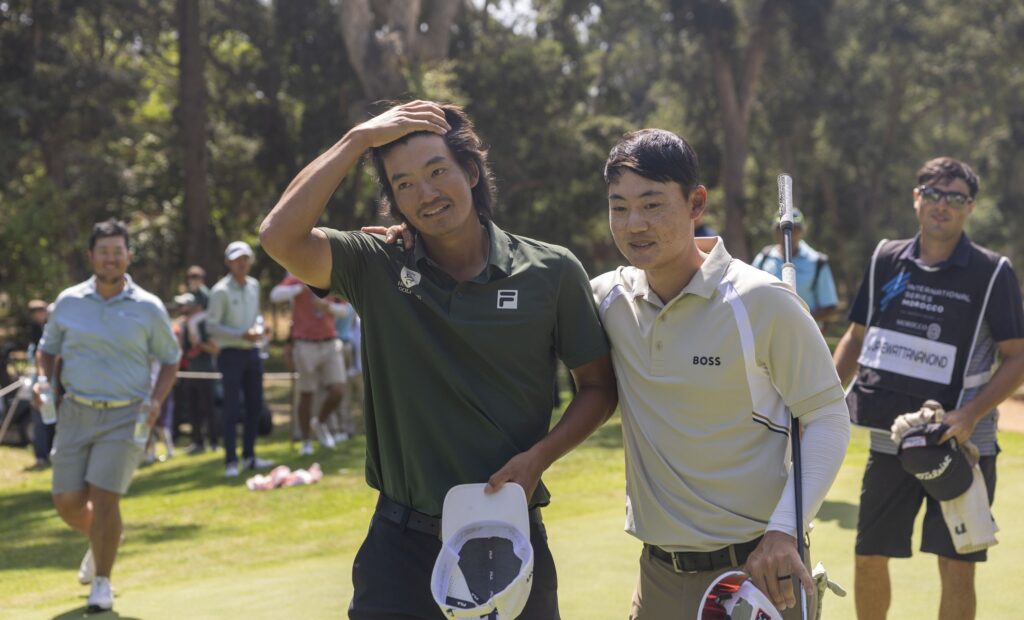
Frequently referred to as a perverse form of punishment, golf has a long history in testing the will of those who play the sport. Many are the tales of hapless players who have been driven to distraction by – in the words of the late, great British Prime Minister Sir Winston Churchill – trying to hit a very small ball into an ever smaller hole, with weapons singularly ill-designed for the purpose.
Little wonder then that trying to make an honest living as a touring golf professional ranks among the most stressful of jobs.
As we’ve seen on countless occasions, no matter how well a player may be able to strike a golf ball, it’s the mental side of the game, and the ability to hole pressure-packed putts, that ultimately determine and define the elite players and separate them from the journeymen pros.
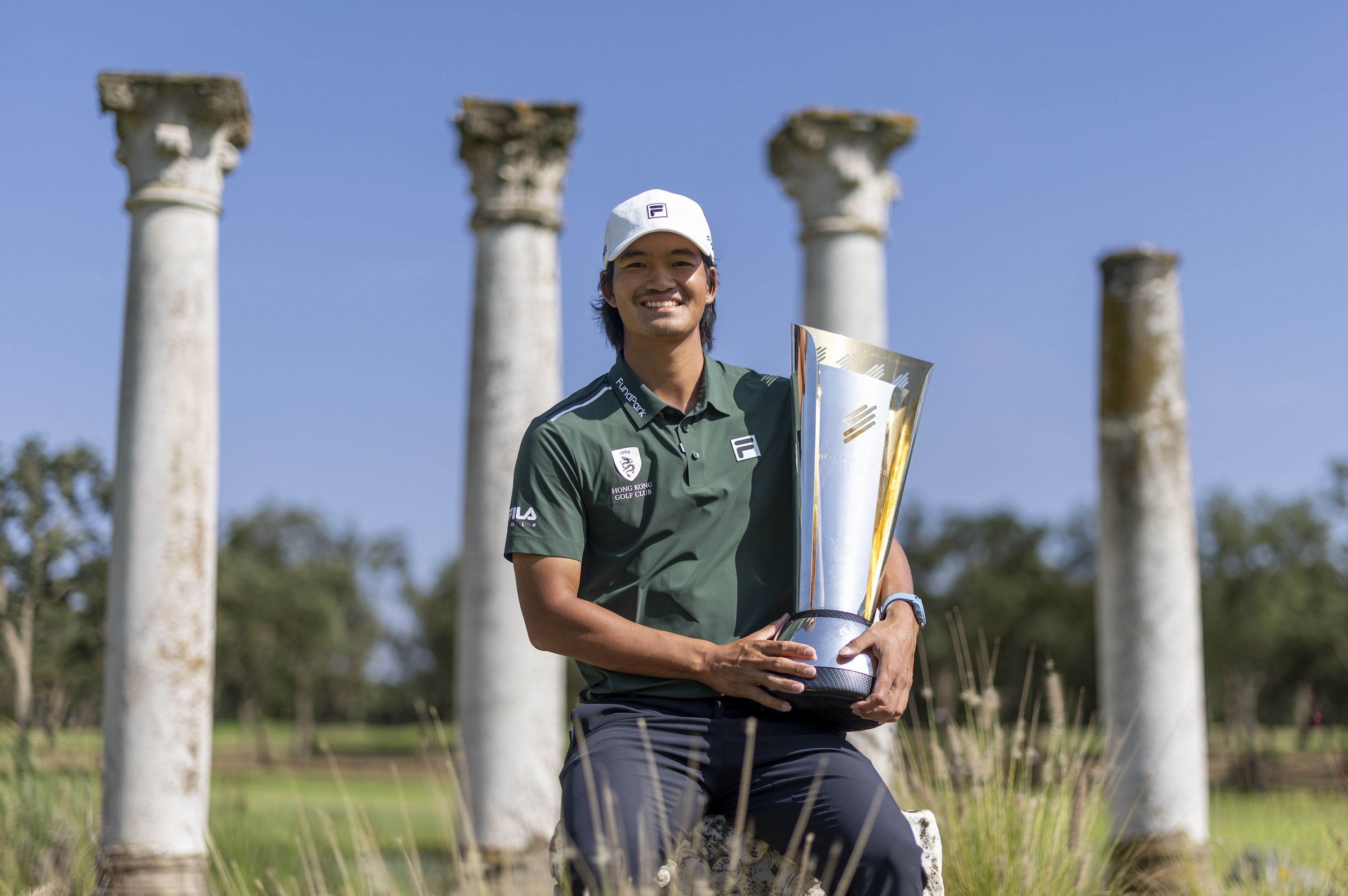
In his short professional career to date, Taichi Kho has experienced the highest of highs and also some pretty low lows.
In the wake of his latest notable triumph, the finest golfer ever to come out of Hong Kong articulated with typical eloquence the fickle nature of the sport – and the way in which it can adversely impact the outlook and mindset of any individual.
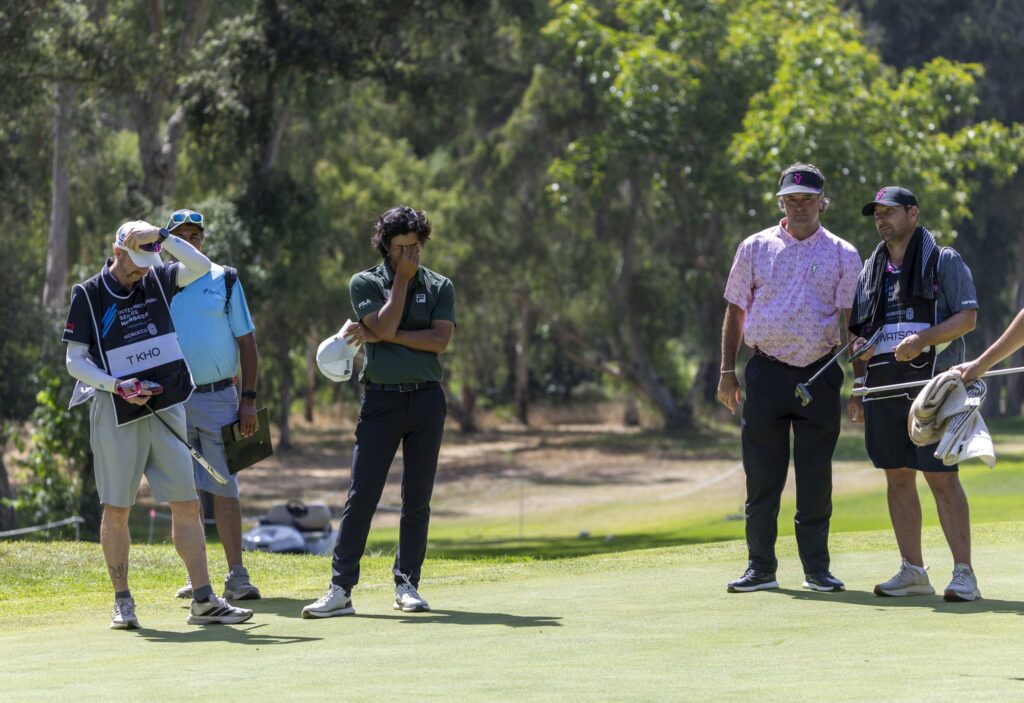
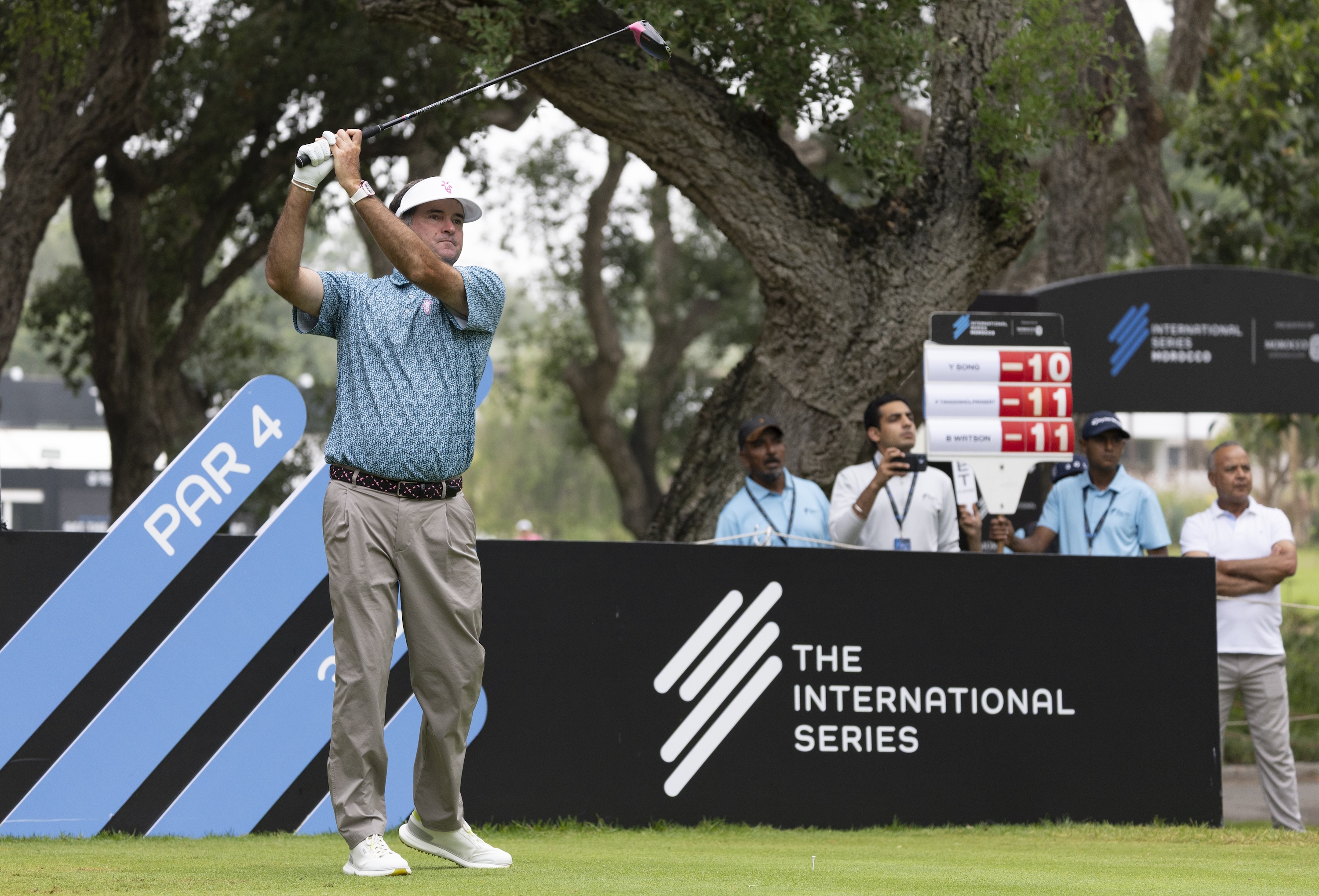
Taichi Kho and Bubba Watson.
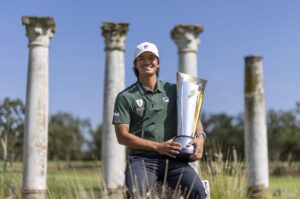
Indeed, it says much about Kho and his personality that in the immediate aftermath of a euphoric victory in the International Series Morocco presented by Visit Morocco in the second week of June, his mood was reflective and his words refreshingly honest as he opened up about the fears, struggles and self-doubts he’s faced in recent times.
At his post-tournament press conference, the 25-year-old was asked if there was a moment during the final round when he thought he was going to win.
Kho could easily have fobbed off the question with a flippant, mono-syllabic response and a staid rundown of his birdies and bogeys, as many less erudite golfers invariably do when finding themselves in a similar situation.
Not Kho who digested the words addressed to him before responding with due consideration and respect.
He said: “Golf is a really psychological game, and one thing I learned today, and continue to learn, is that a lot of thoughts are going to go through your mind. Some make you feel good and some make you feel bad, but being able to play freely and trust my instincts through those thoughts is what really made the difference for me today.
“I definitely had the thought on my last four or five-footer to win that it felt like an impossible putt. I did not know where it was going to break. It felt so long, and the hole felt so small.
“But there was a part of me that knew I had the ability to be free in that circumstance, and I think that helped me hit a good putt and put a good roll on it. Even though my conscious self was so tied up in the moment, I trusted my sub-conscious self, which has practised for hours and hours. It was a real mental battle out there, as you can imagine, and I’m glad to get it done.”
The answer to the follow-up question was perhaps even more startling and revealing.
‘You’re clearly in red-hot form. What aspect of your game has been clicking in recent months?’ Kho was asked, referring to the fact that he enjoyed his best result in Japan the previous week, losing out in a sudden-death play-off.
It was then that Kho confided how a downswing in playing fortunes just a matter of months earlier had left him bereft and in the depths of despair.
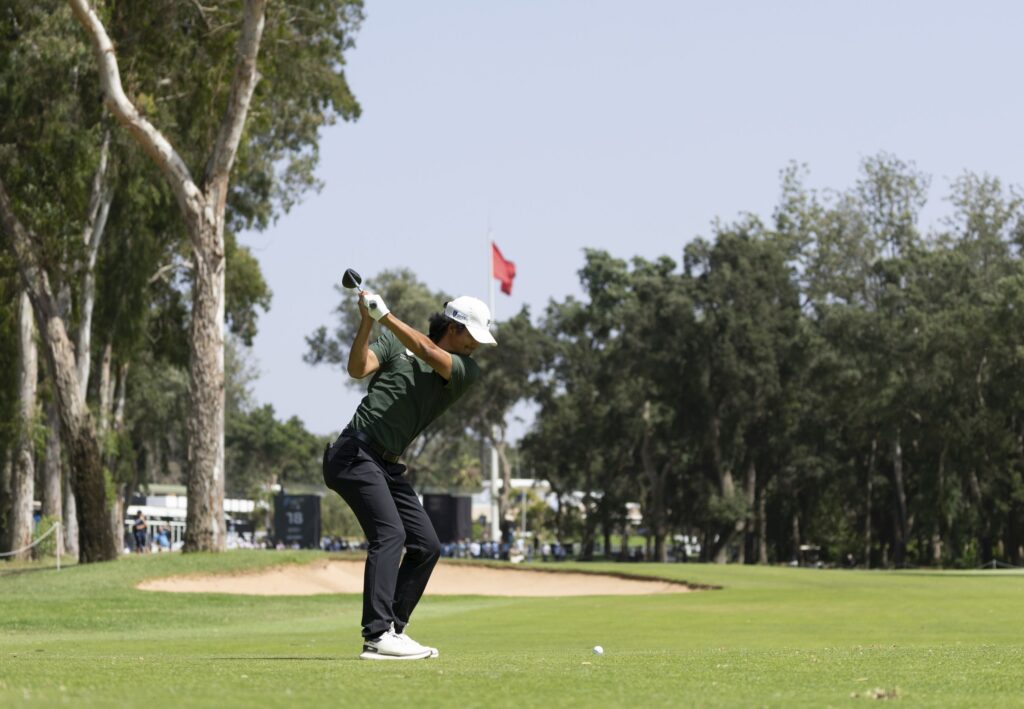
Taichi Kho.
“It’s just an insane game,” he said. “After I played about six weeks ago, I called my parents and my manager and said: ‘I don’t want to play anymore. I’m done’.
“I’m not saying I’m exempt from hardship, and I’m not saying I’m unique in this, because I know all my peers go through the exact same thing. For me, it was about being able to take ownership of my game, ownership of the things I work on, and being able to see golf from a different perspective.
“I have so much respect for everyone out here, because every day the way we hit the golf ball, or the way we play golf, dictates our livelihood. That is a big pressure to take, and I think that pressure was getting to me earlier this year.
“The golf wasn’t going my way, and I felt like I wasn’t working on the right things. But being able to see the bigger picture, and see it in a way that helps me play freer, has really changed my perspective on the game.
“It has shaped my relationship with the game, and as that relationship has improved over the last few tournaments, my golf has naturally improved as well. Again, it is a psychological battle on and off the golf course.”
It’s a battle that Kho appears to be winning – at least for now. Whether it lasts, only time will tell. But given his self-awareness and understanding of potential pitfalls – and how to best deal with them – he surely has a better chance than most.
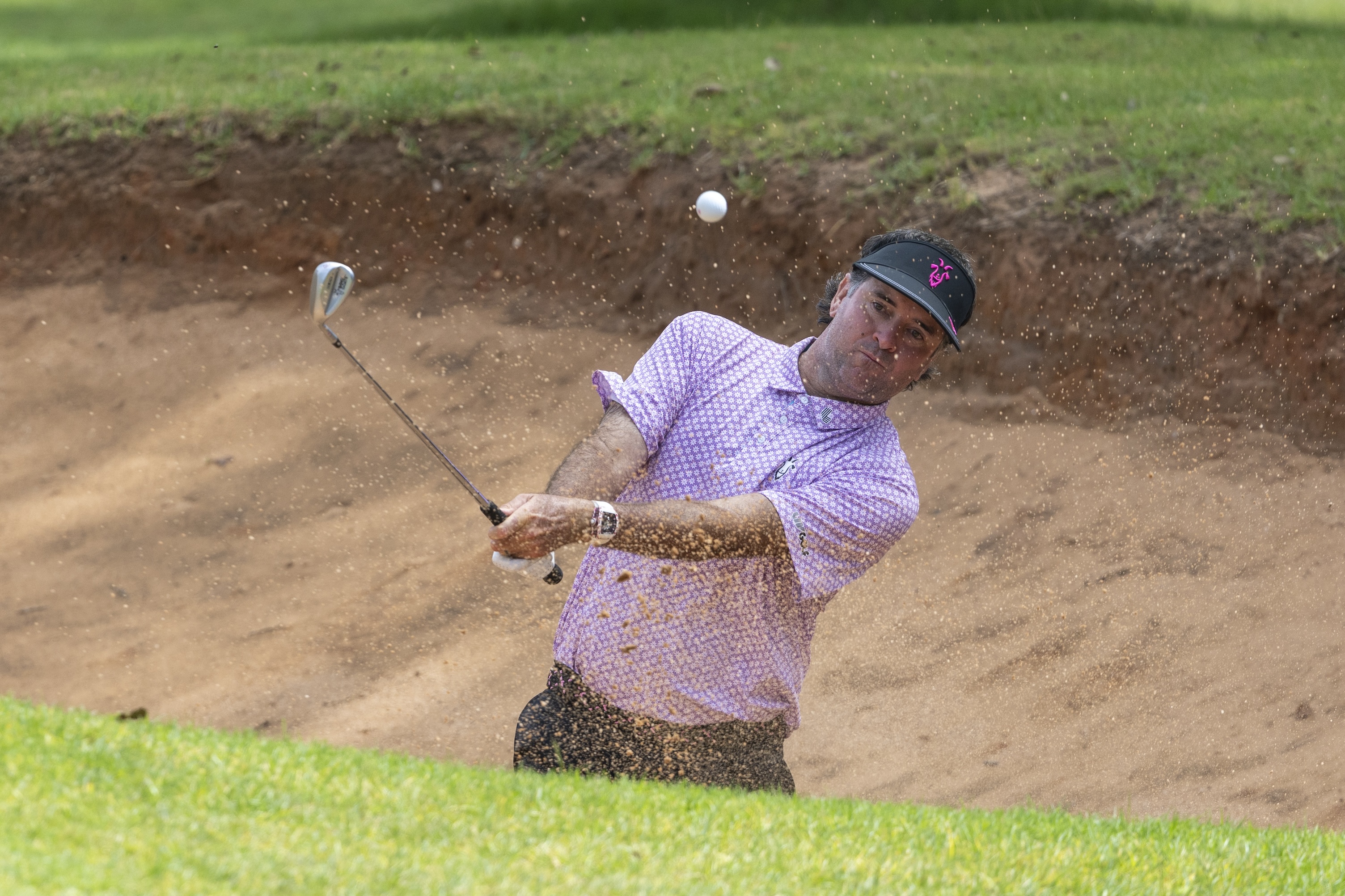
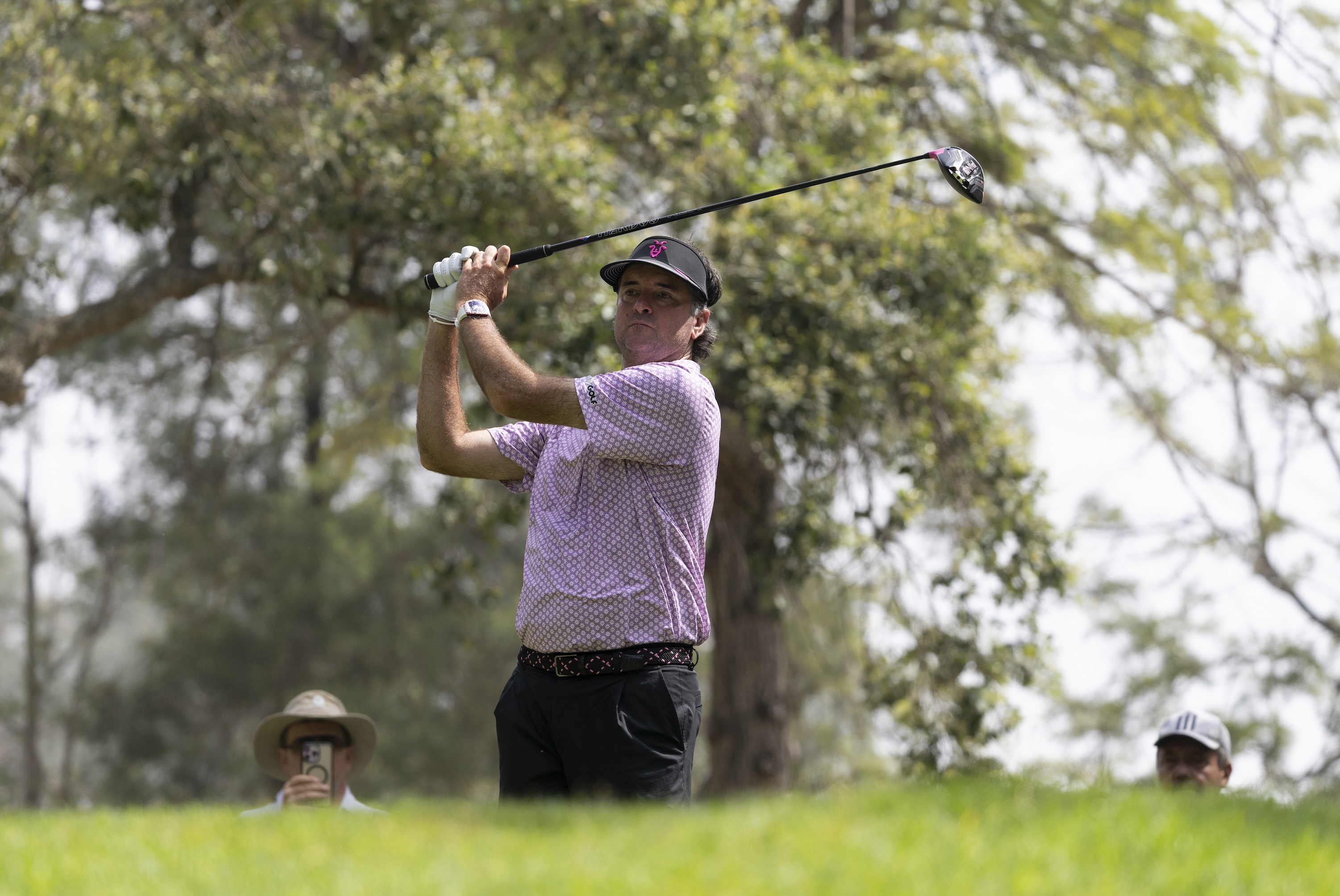
Bubba Watson, the two-time Masters champion with whom he played in the final round in Morocco, is in no doubt.
He said: “I played as well as I could. Taichi beat me by one, and it was great to see a young player like that perform so well. It shows the game of golf is in a great spot, and it was fun to watch how well he played today.
“He actually told me after the round that he used to watch me growing up, so that was pretty special. I told him he’s a great player. If he keeps doing what he’s doing, he’s going to have a great career.”
Story: Spencer Robinson, Asian Tour contributor.
Pictures: Ian Walton, Asian Tour.




Recent Comments